
As an Amazon Associate we earn from qualifying purchases. Here’s how it works.
There was a time when finding your signature scent meant choosing one perfume and wearing it until everyone around you associated that fragrance with you.
That idea is changing.
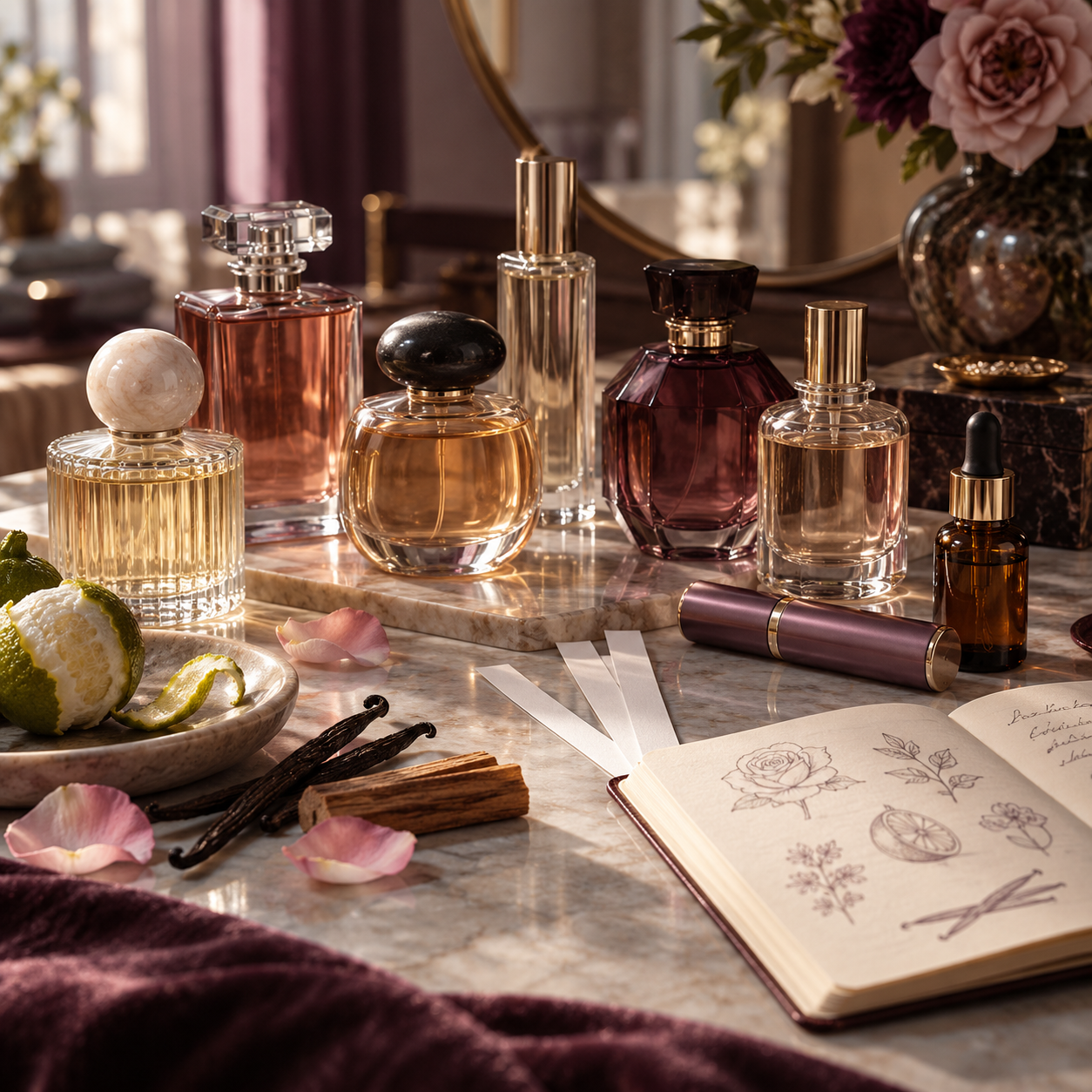
Instead of searching endlessly for one bottle that somehow has to work for every mood, season, outfit and occasion, you can build a fragrance wardrobe—a small collection of scents that can be worn alone or layered together.
And no, you do not need a shelf filled with twenty expensive perfumes to make it work.
The smartest approach is actually much simpler: choose a few fragrances that perform different jobs, learn what notes you naturally gravitate toward, and start experimenting with perfume layering combinations that make those bottles feel completely different.
Once you understand that formula, two or three fragrances can suddenly give you far more options than you expected.
What Is Perfume Layering?
Perfume layering simply means wearing two or more scented products together to create a fragrance that feels more personal.
That might mean combining two perfumes.
But it could also mean applying a vanilla perfume oil underneath a floral fragrance, using a scented body product before your perfume, or adding a soft musk beneath a brighter citrus scent.
You are essentially giving one fragrance another dimension.
A floral fragrance can become warmer.
A sweet perfume can become woodier.
A heavy scent can feel fresher.
A simple musk can suddenly have far more personality.
That is why scent layering is especially useful if you like variety but do not want to buy an entirely new full-size perfume every time your mood changes.
The Easiest Perfume Layering Rule for Beginners
Forget complicated perfume formulas for a moment.
Use this instead:
Choose one anchor + one accent.
Your anchor fragrance creates the personality of the scent.
Your accent fragrance changes its direction.
For example:
| Anchor | Accent | Final effect |
|---|---|---|
| Vanilla | Rose | Soft, romantic and creamy |
| Musk | Bergamot | Clean, fresh and polished |
| Sandalwood | Vanilla | Warm, smooth and cozy |
| Floral | Pear | Bright and feminine |
| Amber | Citrus | Rich but fresher |
| Rose | Woods | Sophisticated and less sweet |
| Coconut | Musk | Soft, skin-like warmth |
| Fruity fragrance | Vanilla | Juicier gourmand finish |
This is much easier than attempting to understand every ingredient in two perfumes before spraying them together.
And when you discover a combination you love? Write it down.
Your fragrance wardrobe becomes much easier to build once you start recognizing patterns in what you actually enjoy.
How Perfume Notes Help You Layer Better?
You have probably seen perfumes described using top notes, heart notes and base notes.
You do not need to become a perfumer to use them, but understanding their basic roles makes perfume layering much easier.
Top notes are usually what you notice first: citrus, bergamot, pear, green notes and lighter fruits.
Heart notes create much of the fragrance’s personality: rose, jasmine, peony, orange blossom and spices.
Base notes tend to provide depth and staying power: vanilla, musk, amber, sandalwood, patchouli and woods.
Instead of asking whether two entire perfumes “match,” look for one shared note or complementary fragrance family.
A perfume containing rose and vanilla, for example, will often be easier to pair with another vanilla fragrance than two completely unrelated compositions.
That shared note acts almost like a bridge.
8 Easy Perfume Layering Combinations to Try
1. Vanilla + Rose
If you want one beginner combination that is hard to resist, start here.
Rose gives vanilla structure and elegance while vanilla softens the floral quality of rose.
The result can feel creamy, feminine and much more dimensional than wearing either note alone.
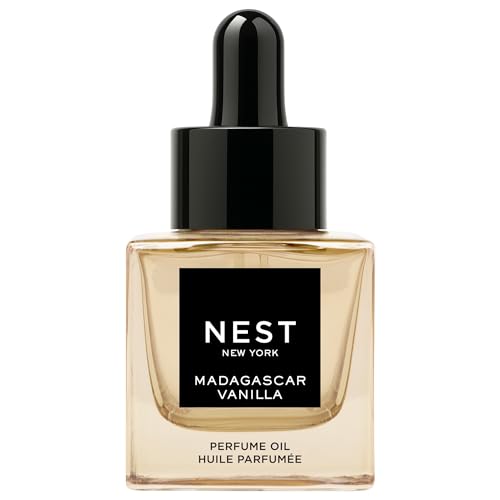
For your layering base, something like NEST New York Madagascar Vanilla Perfume Oil is particularly useful because a perfume oil stays relatively close to the skin while creating a warm foundation for the fragrance you spray over it.
Try this: Apply a small amount of vanilla perfume oil, allow it to settle, then add your rose fragrance.
For the luxury upgrade, a rose-forward fragrance such as Parfums de Marly Delina creates a much higher-value product opportunity while still making sense within the layering lesson.

2. Musk + Citrus
This is the combination to reach for when you want that fresh, expensive, you just naturally smell amazing effect.
A soft musk provides warmth underneath — sitting close to the skin, invisible but present — while bergamot, lemon, grapefruit, or orange gives the fragrance its lift. The citrus is what people notice first; the musk is why they can’t quite identify what it is.
It works particularly well for daytime because it feels polished without becoming heavy. The Maison Margiela Replica Under the Lemon Trees is the benchmark version of this — kalamansi lime and coriander that dries down into cedarwood, never sweet, never loud. For the layering approach, the C.O. Bigelow Lemon EDP is built for exactly this: lemon top notes anchored by white musk underneath, designed from the ground up to layer with complementary skin products.


Try this: Apply a soft white musk oil to pulse points first. Allow it to settle, then spray your citrus fragrance over the top. The musk extends the citrus and keeps it from lifting away within the first hour.
Grapefruit and sesame opening, white musk and neroli heart.

3. Vanilla + Sandalwood
This is one of the easiest warm combinations in perfumery — and the one most likely to earn you a “what are you wearing?” on a cold afternoon.
Vanilla provides the sweetness. Sandalwood provides the structure. Together, they create a creamy, slightly woody warmth that wears close to the skin and develops over the first hour into something that feels far more considered than either note alone.
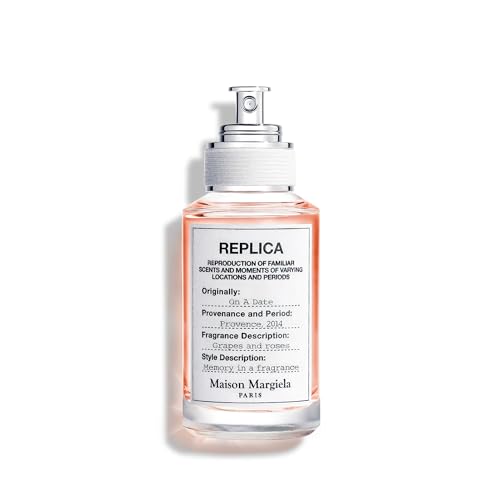
Maison Margiela Replica By the Fireplace is not a literal vanilla-and-sandalwood fragrance, but it is a useful example of the same warm vanilla-and-woods direction. Its official composition combines chestnut, gaïac wood and cade with vanilla, Peru balsam and cashmeran. It’s not literally a vanilla-sandalwood perfume so much as a fragrance that achieves everything a vanilla-sandalwood combination is meant to, let’s call it a vanilla + warm woods effect achiever. For a more direct interpretation, KAYALI Vanilla 28 puts vanilla at the centre from the first spray and doesn’t apologise for it.

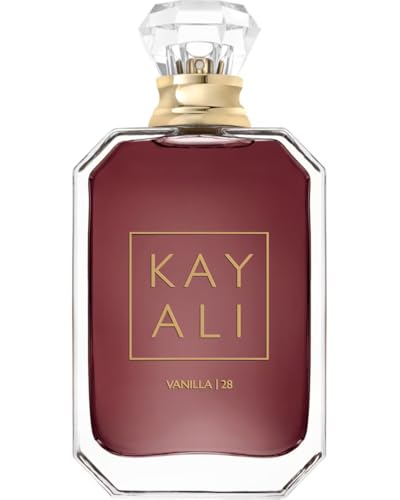


Try this: Apply a sandalwood-based perfume oil to pulse points as a base layer, then spray your vanilla EDP over the top. The oil extends the wear time and amplifies the warmth of both notes together.
4. Fruity Perfume + Musk
Love pear, apple, peach, lychee, or berries — but sometimes find fruity fragrances a little too bright?
Add musk.
A skin-close musk or Cetalox-style fragrance can soften the sharpness of a fruity perfume and add a warmer, smoother dry-down. The effect varies by fragrance and skin, so begin with a light application and judge the combination after it has settled.
KAYALI Eden Juicy Apple is the most direct version of this — red apple and wild berries anchored by vanilla flower and musk in a single bottle, designed from the ground up for layering. For readers who already own a fruity EDP and want to transform it without buying another full bottle, Juliette Has a Gun Not a Perfume is the most useful tool in this guide: a Cetalox-centered skin scent designed to work especially well as a layering base. Pairing it with a fruity fragrance can add a smoother, musky-amber dimension without introducing another complex bouquet.

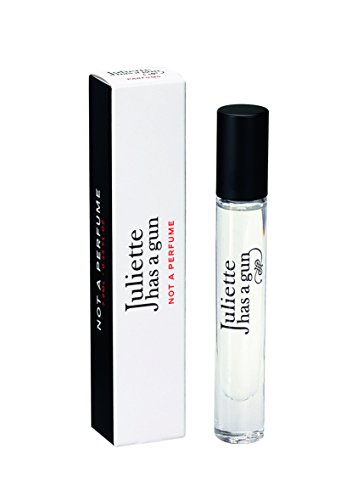


Try this: Apply a small amount of white musk oil to pulse points first. Allow it to settle, then spray your fruity EDP over the top. The musk extends the top notes and prevents them from disappearing within the first hour.
5. Rose + Woods
If traditional rose perfume sometimes feels too sweet or overtly floral, the fix is simpler than buying a new bottle: add something woody underneath or over the top.
Sandalwood, cedar, vetiver, or a soft leather-style fragrance all work. Woody notes provide structure and contrast, making a sweet rose fragrance feel drier, deeper and less overtly floral.
This is where a fragrance like Tom Ford Ombré Leather becomes an interesting premium product — not as the fragrance you need to buy first, but as the deeper accent for someone who already has a rose collection and wants to experiment more seriously. Its jasmine-leather-patchouli composition creates exactly the contrast that makes a rose fragrance feel darker and more complex. Apply it after your rose, to the wrists only, and keep the application light. This is a fragrance that announces itself.
Start conservatively: One spray of the woody accent, applied to wrists after the rose EDP has had 30 seconds to settle. The rose should remain dominant; the wood provides the shadow underneath.

Diptyque Eau Rose EDP 2.5 oz
Rose-forward fragrance with fruity, green and softly aromatic contrasts.



6. Coconut + Vanilla + Soft Musk
Consider this the “warm skin but better” combination.
Coconut gives it creaminess. Vanilla adds sweetness. Musk keeps both notes close to the skin and smooth, preventing the combination from lifting into something overtly sweet or tropical.
You don’t necessarily need three separate fragrances. The KAYALI Utopia Vanilla Coco 21 already contains both coconut and vanilla in a single formula designed for layering — add a roll of Nemat Vanilla Musk oil underneath and the combination is complete. Alternatively, if you already own the Sol de Janeiro Cheirosa 62 mist — Apply a small amount of white musk oil first, let it settle, then mist Cheirosa 62 over it. The vanilla cream base is already doing the work.

KAYALI Utopia Vanilla Coco 21 mini
Captivating fusion of creamy coconut and lush white florals

Sol de Janeiro Cheirosa 62 240mL
Pistachio and almond opening with vanilla, salted caramel and sandalwood in the dry-down.

Sol de Janeiro Cheirosa 39 90mL
Coconut Cream: creamy with a warm touch Tropical Orchid: floral with an exotic twist Toasted Vanilla: nutty with a smooth finish


This is exactly why learning perfume notes is more useful than collecting trending bottles. When you know that Cheirosa 62 already contains two of the three notes in this combination, you stop buying and start layering.
7. Pear + Floral Notes
Pear works beautifully when you want to brighten a floral perfume without pushing it into citrus territory.
Try it with peony, rose, freesia, or soft white florals. The result tends to feel airy and close-to-skin — which is why this combination appears in more spring and wedding-season fragrances than almost any other brief.
The canonical example is Jo Malone English Pear & Freesia — pear top note, freesia heart, launched 2010 and still the reference. But Vera Wang Embrace Green Tea & Pear Blossom contains pear blossom, freesia, and peony in a single formula at $20. If you already own that, you have the combination. Add a NEST New York Watermelon Peony oil underneath to deepen the peony note without adding another spray bottle.
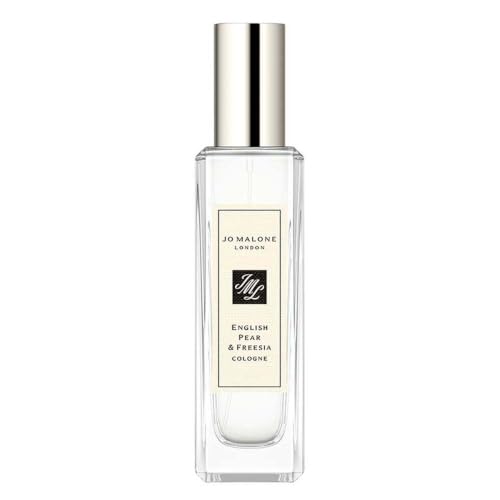

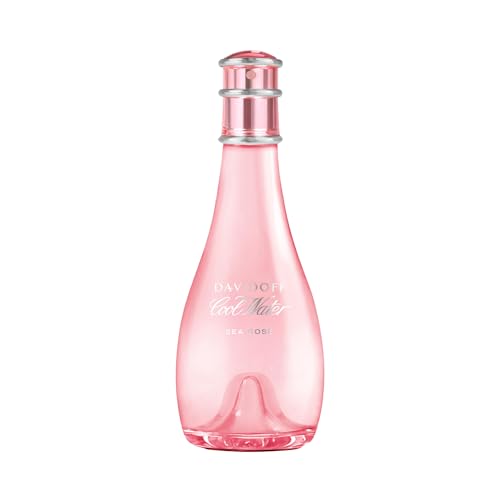
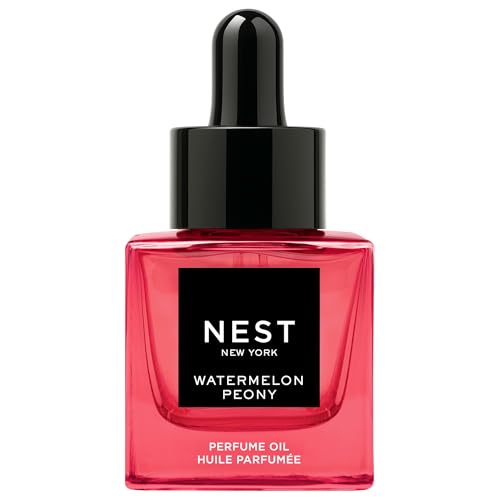
This is why learning perfume notes matters more than chasing trending bottles. The Vera Wang has been doing this brief quietly for years.
8. Amber + Fresh Citrus
Amber fragrances can be gorgeous — but sometimes you want the warmth without all the weight.
Rather than buying a “lighter version” of your favorite amber, try layering what you already have. Spray a bergamot or grapefruit cologne first, then apply your amber over the top. The citrus sits in the opening and fades; the amber comes through in the dry-down. The result is the same warmth with a fresher first impression.
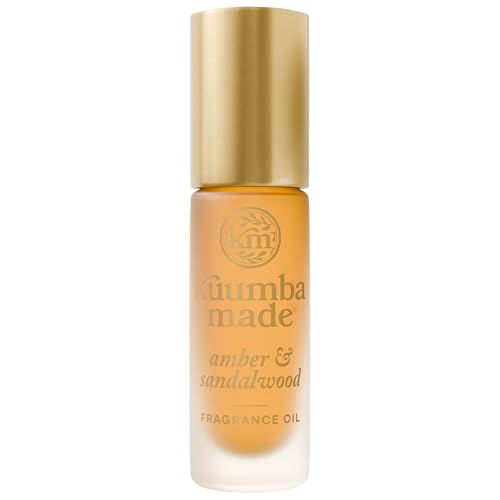
The easiest way to test this: Jo Malone Grapefruit Cologne over the Kuumba Made Amber & Sandalwood oil. Two products, two different price points, one combination that takes about 30 seconds to try.
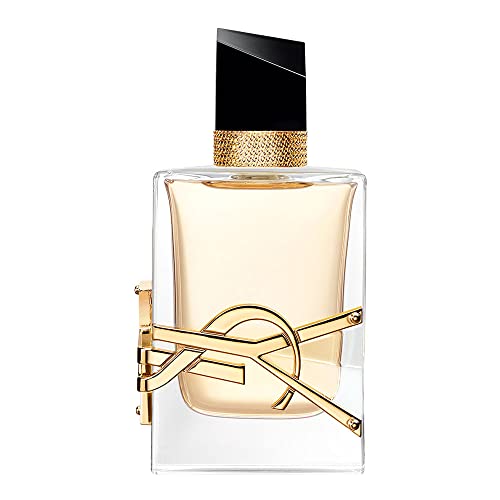
If you want to see a fresh-opening, warm-base structure inside one perfume, YSL Libre EDP provides a useful reference: its current note pyramid includes mandarin, petitgrain and lavandin near the opening, with vanilla, cedarwood, ambergris accord and musks in the base.



This is exactly why layering becomes addictive. You are not shopping for a new scent. You are adjusting the one you already have.
Build a Signature Scent Wardrobe Instead of Buying Random Perfume
This is where the idea becomes far more useful than simply collecting pretty bottles.
Your first fragrance wardrobe does not need ten perfumes.
Start with approximately four roles.
Your Everyday Scent
This should be the perfume you can reach for without thinking.
A musk, soft floral, fresh woody fragrance or gentle gourmand works well here.
It does not have to be boring—it just needs to feel like you.
Your Warm Layering Base
Think vanilla, sandalwood, musk or amber.
This is the bottle or perfume oil that can add depth to several other scents.
Your Bright Accent
Choose something citrusy, fruity, green or airy.
This gives heavier fragrances more energy.
Your Statement Fragrance
This is where you can spend more if fragrance is something you genuinely enjoy.
Maybe it is a luxurious rose, unusual woody fragrance, rich gourmand or niche perfume that instantly feels different from everything else you own.
Once those roles are covered, your four products can create far more than four scent experiences.
And that is the real value of perfume layering.
Start With Discovery Sets Before Buying Expensive Bottles
Discovery sets are a much smarter entry point.
You can learn whether you actually gravitate toward woody fragrances, white florals, gourmands, musks or citrus before committing to a full bottle.
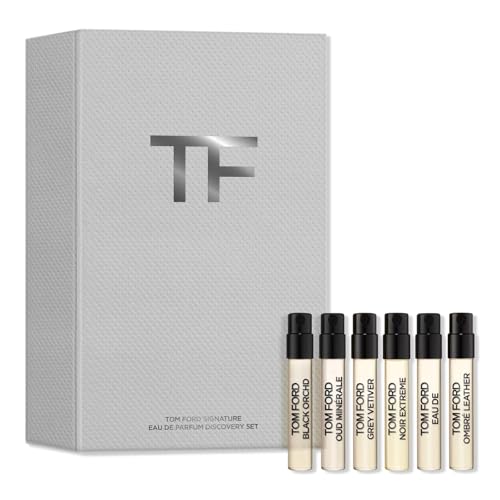
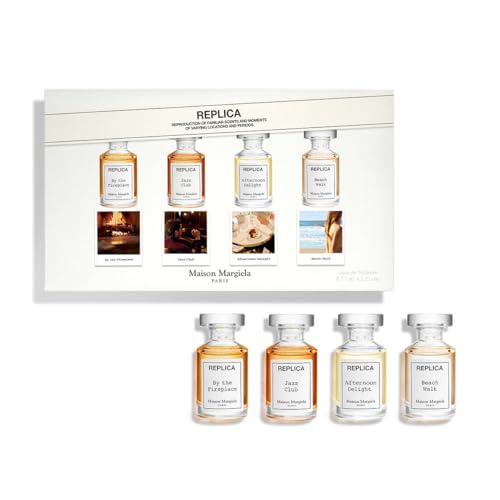
A current Tom Ford Signature Fragrance Discovery Set, for example, gives you exposure to several very different scent directions in one purchase, while the Maison Margiela Replica Mini Fragrance Layering & Travel Discovery Set gives you another approachable way to compare distinct fragrance profiles.
There is another advantage here that matters for layering:
Samples let you experiment.
Instead of protecting an expensive new bottle because you do not want to “waste” it, you are much more likely to actually test combinations and figure out what works.
One High-End Product Made Specifically for Layering
Once you understand what you like, there is a particularly interesting category worth exploring: fragrance enhancers.
Rather than behaving like a traditional statement perfume, these are designed to change or amplify other fragrances.
D.S. & Durga I Don’t Know What is one of the most obvious premium examples because the brand explicitly describes it as a fragrance enhancer intended to be layered over other aromatic materials.
It uses elements including bergamot, Iso E Super, vetiver acetate and Ambrox-style notes to create a transparent woody radiance rather than overwhelming whatever you pair it with.
That makes it exactly the type of high-ticket recommendation that belongs naturally in this guide rather than feeling inserted just for a sale.

Do You Apply Perfume Oil or Perfume First?
When you are combining an oil with a spray fragrance, applying the oil first is an easy beginner method.
Use a small amount.
Allow it to settle into your skin.
Then add your spray fragrance.
This gives you a close-wearing scented foundation with additional projection coming from the fragrance above it.
If you are layering two spray perfumes, however, do not obsess over a universal “correct” order.
Different fragrance houses and perfumers approach layering differently.
What matters more is balance.
If one perfume is dramatically stronger, use less of it.
Two sprays of a delicate musk plus five sprays of an intense oud is probably not going to give the musk much opportunity to participate.
Start small.
You can always add another spray.
You cannot easily take six sprays back.
The Two-Scent Rule Will Save Beginners a Lot of Frustration
When you first start experimenting, resist the urge to layer four or five fragrances.
Start with two.
In fact, Jo Malone London specifically recommends beginning a scent-pairing journey with two products before experimenting further.
Once you know why a particular combination works, adding a third element becomes much easier.
Until then, too many fragrances can make it impossible to identify what you actually like—or what went wrong.
The Travel Atomizer Trick
Once you have several favorite perfume layering combinations, you eventually run into a practical problem:
You cannot carry your entire perfume shelf everywhere.
A refillable travel atomizer solves that.
The Travalo Milano Set is particularly interesting for fragrance wardrobe enthusiasts because it comes with multiple interchangeable fragrance containers, letting you switch between several scents while using one outer case.
That means your everyday fragrance, layering scent and evening option can travel without packing several full-size glass bottles.

How to Know Whether a Perfume Combination Actually Works?
Do not decide within five seconds.
Fragrance changes after application.
Try your combination on skin and give it time.
Pay attention to how it smells:
at application → after 15–30 minutes → a few hours later.
You might adore the opening and dislike the dry-down.
Or two perfumes that initially seem strange together may become beautiful once the brighter notes disappear.
Keep a simple fragrance note on your phone:
Vanilla oil + rose perfume
1 drop + 2 sprays
Loved after 30 minutes
Best for evening
Within a few weeks, you will have your own collection of reliable perfume layering combinations instead of relying on someone else’s taste.
That is how a real signature scent develops.
Common Perfume Layering Mistakes
The biggest mistake is buying more perfume before understanding the perfume you already own.
Before ordering anything new, look up its notes.
You may discover you already have several fragrances containing vanilla, musk or rose—and those similarities could become the foundation for new combinations.
Another common mistake is using the same amount of every perfume. Strong fragrances do not need equal billing. Sometimes one spray is enough.
And finally, do not judge your combination only on a paper tester.
Skin changes the experience.
Use paper to screen ideas, but test your favorites on your skin before deciding they belong in your fragrance wardrobe.
If you’re trying a scented oil or unfamiliar body product, follow its directions and discontinue use if it irritates your skin.
Your Beginner Fragrance Wardrobe Shopping Order
If you are starting from almost nothing, I would not begin with the most expensive bottle.
Start with a discovery set.
Learn what you like.
Then buy one versatile layering oil or base fragrance.
Add a bright or contrasting scent.
Invest in your premium statement fragrance only once you understand which notes consistently work for you.
And if you travel regularly, add the atomizer afterward.
That sequence turns fragrance shopping from random collecting into intentional curation.
Which also means you are much more likely to actually use what you buy.
Final Thoughts: Your Signature Scent Does Not Have to Be One Perfume
The best part about fragrance layering is that you stop asking:
“What is my one perfect perfume?”
And start asking:
“What do I want to smell like today?”
Some days that might mean vanilla and sandalwood.
Other days it might be sparkling citrus over musk.
And sometimes you may want the full drama of a luxurious niche fragrance with nothing layered over it at all.
Your signature scent wardrobe should give you options rather than rules.
Start with two scents. Learn their notes. Experiment with the ratios. Save the perfume layering combinations you love.
Before long, you will have something much more interesting than a shelf full of random perfume bottles.
You will have a fragrance wardrobe that actually feels like yours.
Frequently Asked Questions
- What is perfume layering?
Perfume layering is the practice of wearing two or more fragrances or scented products together to create a customized scent. You can layer two perfumes, combine perfume oil with a spray fragrance, or use body lotion, mist and perfume together.
- What are the best perfume layering combinations for beginners?
Some of the easiest perfume layering combinations for beginners include vanilla and rose, vanilla and sandalwood, musk and citrus, pear and floral notes, fruity perfume and musk, and amber with bergamot or another fresh citrus note.
- Should the stronger perfume go on first or second?
There is no single rule that works for every fragrance. Instead, control the ratio. Use fewer sprays of the stronger fragrance so it does not overwhelm the lighter one.
- Can you layer perfume oil with perfume?
Yes. A simple method is to apply a small amount of perfume oil first, allow it to settle, and then apply your spray fragrance.
- Can you layer body mist and perfume?
Absolutely. Body mists can be especially useful for adding a lighter fragrance layer without creating the intensity of two full perfumes.
- How many perfumes should you layer?
Start with two. Once you understand how those notes interact, experiment with a third fragrance or scented body product.
- How do you build a niche perfume collection?
Begin with discovery sets and samples rather than immediately buying several full-size bottles. Track the notes and fragrance families you repeatedly enjoy, then invest in full sizes that fill distinct roles within your fragrance wardrobe.
- Is perfume layering worth it?
If you enjoy changing your fragrance according to your mood, outfit, season or occasion, it can make a small perfume collection significantly more versatile.
- How do I know which perfumes will layer well together?
Start by looking for a shared fragrance note or complementary scent family. For example, a vanilla-based fragrance often pairs easily with rose, sandalwood, amber or musk. Perfumes do not need identical notes, but having one connecting element can make the combination feel more cohesive.
- Which perfume should I spray first when layering?
There is no universal order for layering two perfumes. A useful beginner rule is to apply the heavier or deeper fragrance lightly and allow the brighter or more delicate fragrance to remain noticeable. When using perfume oil and spray perfume, applying the oil first is an easy method to try.
- How many perfumes can you layer at once?
Two fragrances are usually enough for beginners. Once you understand how different notes interact, you can experiment with a third product such as a body mist, scented lotion or perfume oil. Too many strong fragrances at once can make it difficult to identify individual notes.
- Can you layer two expensive perfumes together?
Yes, but test the combination with samples or a small number of sprays first. Expensive fragrances are not automatically more compatible with each other, so experimenting with fragrance blotters or discovery-size bottles can help you avoid wasting product.
- Can you layer perfume oil with regular perfume?
Yes. Perfume oils can create a useful base for fragrance layering. Apply a small amount of oil to your pulse points, allow it to settle, and then apply your spray fragrance. Vanilla, musk and sandalwood oils are especially versatile layering choices.
- Can you layer body mist with perfume?
Yes. A body mist can provide a softer background layer underneath a stronger perfume. This can be a beginner-friendly way to experiment because body mists are generally lighter and easier to adjust than two concentrated fragrances.
- What perfume notes are easiest to layer?
Vanilla, musk, sandalwood, amber, rose, bergamot, citrus and soft woods are among the easiest notes to experiment with. These notes appear across many fragrance families and can work as either a base or an accent.
- Does vanilla perfume layer well with other fragrances?
Vanilla is one of the most versatile fragrance notes for layering. It can add warmth and sweetness to rose, musk, sandalwood, amber, fruity fragrances, coconut scents and certain woody perfumes.
- What can I layer with a floral perfume?
Try pairing floral fragrances with vanilla for warmth, musk for softness, pear or citrus for freshness, or sandalwood and other woods for additional depth. The best pairing depends on whether you want the floral fragrance to feel sweeter, fresher or more sophisticated.
- What can I layer with a fruity perfume?
Musk, vanilla, sandalwood and soft floral fragrances can all work well with fruity perfumes. Musk can soften bright fruit notes, while vanilla can make them feel sweeter and more gourmand.
- What can I layer with musk perfume?
Musk is extremely flexible. Try musk with citrus for a clean fragrance, vanilla for warmth, fruit for softness, florals for a skin-like floral scent, or sandalwood for a more understated woody effect.
- What perfume layers well with rose?
Rose can pair beautifully with vanilla, musk, oud-style woods, sandalwood, pear, citrus and amber. Vanilla creates a softer romantic combination, while woody notes can make rose feel deeper and less overtly sweet.
- Can fragrance layering make perfume last longer?
Layering scented products can sometimes make the overall fragrance experience feel longer-lasting, particularly when you begin with moisturized skin or a compatible perfume oil. Longevity still depends heavily on the individual fragrance formula, concentration, application and your skin.
- Where should I apply layered perfume?
Common fragrance application areas include the wrists, neck and other pulse points. Avoid rubbing your wrists together immediately after application. When experimenting with multiple fragrances, beginning with a small amount makes it much easier to adjust the combination.
- Should you layer perfume on skin or clothes?
Skin is useful for evaluating how two fragrances interact with your body chemistry. Clothing may hold certain fragrances differently or for longer periods, but some perfumes can stain delicate materials. Always check the product guidance before spraying fabric.
- How do I make my own signature scent?
Start with one fragrance you already love and identify its main notes. Then choose one complementary fragrance that changes the mood without completely overpowering it. Record the combination and spray ratio when you find something you love. Over time, those repeated combinations can become your personal signature scent.
- How many perfumes do you need for a fragrance wardrobe?
You do not need a large collection. A practical beginner fragrance wardrobe might contain four roles: an everyday scent, a warm base fragrance, a brighter accent fragrance and one statement perfume. Those scents can then be mixed into several different combinations.
- Are perfume discovery sets worth buying for layering?
Discovery sets can be particularly useful for fragrance layering because they allow you to test several fragrance families without committing to multiple full-size bottles. They also make it easier to identify the notes you repeatedly enjoy before investing in more expensive fragrances.
- Why do some perfume combinations smell bad together?
Two fragrances may clash because they are both extremely dominant, contain competing accords or simply become overwhelming at equal strength. Try adjusting the spray ratio before abandoning the combination completely. Sometimes one spray of the stronger fragrance is enough.
- What perfume scents should not be layered together?
There is no universal list of fragrances that should never be combined because personal preference plays a major role. For beginners, the bigger risk is combining several powerful fragrances at equal strength. Start with two complementary scent families and small amounts.
- How long should I wait before deciding whether a perfume layering combination works?
Give the combination at least 20 to 30 minutes before making your first serious judgment, and check it again later. Perfume changes as its top notes fade and its heart and base notes become more noticeable.
- Can I create different perfume layering combinations for each season?
Yes. In warmer months you might combine musk, citrus, pear or light florals, while cooler seasons often work beautifully with vanilla, amber, sandalwood and deeper woody notes. A small fragrance wardrobe can therefore feel completely different throughout the year.
- How do I remember my favorite perfume combinations?
Keep a simple fragrance journal or phone note containing the names of both fragrances, the number of sprays used and how the combination developed after 30 minutes and several hours. This prevents you from forgetting combinations that worked particularly well.
