
As an Amazon Associate we earn from qualifying purchases. Here’s how it works.
Living with a cat does not mean your home has to look like a pet store.
With the right approach, you can create a beautiful interior that gives your cat plenty of opportunities to scratch, climb, hide, nap, watch birds, and explore—without sacrificing the design style you’ve worked hard to create.
The secret is to stop thinking of cat furniture as something that needs to be hidden and start treating it as part of the interior design.
The best cat-friendly home decor ideas combine your cat’s natural instincts with thoughtful furniture choices, smart storage, durable materials, and attractive styling.
Whether you live in a spacious house, a small apartment, or a compact rental, these ideas can help you create a pet-friendly home that looks intentional, comfortable, and stylish.
Let’s get started.
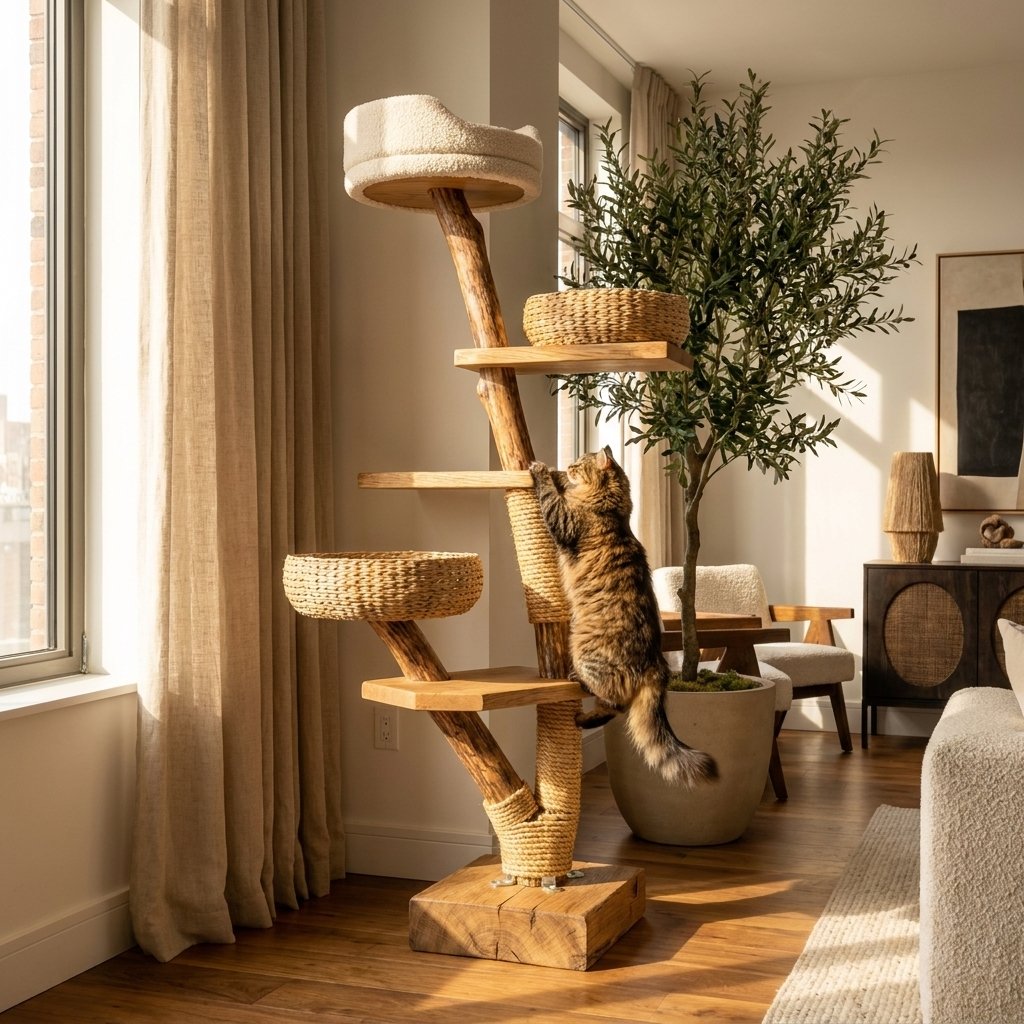
1. Choose a Cat Tree That Looks Like Real Furniture
Traditional cat trees can sometimes overwhelm a beautifully decorated room.
Instead of choosing the largest or most colorful option available, look for a modern cat tree that complements your existing furniture.
Consider designs featuring:
- Natural wood
- Neutral upholstery
- Woven textures
- Minimalist silhouettes
- Soft beige or cream fabrics
- Natural sisal scratching surfaces
A thoughtfully chosen cat tree can become a genuine design feature rather than an eyesore.
Styling Tip
Place the cat tree near a window if possible. Cats naturally enjoy observing their surroundings, and a window-facing location can provide hours of visual enrichment.


2. Create a Stylish Cat Wall
If your floor space is limited, look upward.
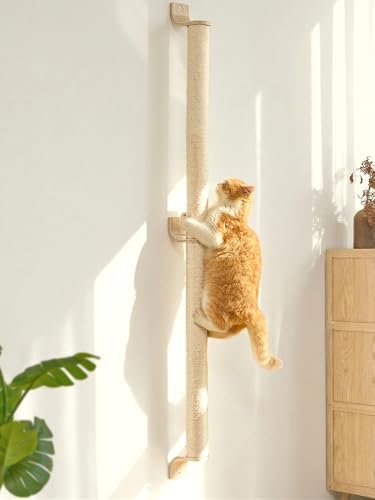
Cats love vertical territory, making a wall-mounted climbing system one of the smartest cat furniture ideas for small spaces.
A stylish cat wall might include:
- Floating climbing shelves
- A wall-mounted cat bridge
- Sisal scratching panels
- Small platforms
- A cozy wall-mounted bed
Arrange the pieces so your cat can move naturally from one platform to another.
For a cohesive appearance, choose wood tones and fabrics that coordinate with the rest of your room.




DIY Cat Wall Installation
Difficulty: Beginner to intermediate
Time: 1–3 hours depending on the number of pieces
You will need:
- Cat shelves or platforms
- Stud finder
- Measuring tape
- Pencil
- Level
- Drill
- Appropriate wall anchors and screws
- Screwdriver
- Optional sisal scratching panel


Step 1: Decide where your cat wall will go. Choose a low-traffic area where your cat can climb safely.
Step 2: Measure the wall and plan the arrangement before drilling.
Step 3: Use a stud finder to locate secure mounting points.
Step 4: Mark the position of every shelf with a pencil.
Step 5: Install each shelf according to the manufacturer’s instructions, making sure every mounting point is secure.
Step 6: Use a level to check that each platform is properly aligned.
Step 7: Test every shelf yourself before allowing your cat to use it. Make sure nothing shifts, tilts, or wobbles.
Step 8: Add a scratching surface or soft washable cushion where appropriate.
Important: Always follow the manufacturer’s weight limits and mounting instructions. The wall material and hardware must be suitable for the installation.

3. Turn an Empty Window Into a Cat Observation Station
Cats love windows.
Instead of allowing your cat to climb onto furniture or knock over your decor to reach the best view, create a dedicated window station.
A simple setup could include:
- A padded window perch
- A washable cushion
- A nearby cat-safe plant
- A small scratching post
- A soft throw
This creates a cozy destination that satisfies your cat’s desire to watch the outside world.
For homes with limited floor space, a wall-mounted cat window perch is particularly useful.


4. Select Furniture With Cat-Friendly Fabrics
Your sofa is often the biggest investment in your living room, so fabric choice matters.
When choosing furniture for a cat-friendly home, look for materials that are:
- Tightly woven
- Durable
- Easy to vacuum
- Easy to spot-clean
- Less likely to snag
- Resistant to everyday wear
Performance fabrics can be particularly practical for households with pets.
Microfiber and tightly woven upholstery are often easier to maintain than loose boucle or delicate open-weave fabrics, which may be more vulnerable to claws.
This doesn’t mean you have to abandon your design style.
Choose a sofa in a color that works with your room, then add personality through washable cushions, throws, artwork, and accessories.

5. Make Scratching Posts Part of the Decor
Scratching is a normal and important feline behavior.
The goal isn’t to stop your cat from scratching. It’s to give them attractive places to do it.
Instead of hiding a scratching post behind the sofa, choose one that looks intentional.
Try:
- Sculptural scratching posts
- Natural sisal towers
- Minimalist scratching boards
- Wall-mounted scratchers
- Wooden-frame scratchers


Position scratching surfaces near places your cat already likes to scratch.
DIY Framed Cat Scratching Board
Difficulty: Easy
Time: 30–60 minutes
Materials:
- Wooden picture frame
- Corrugated cardboard or sisal mat
- Measuring tape
- Pencil
- Utility knife
- Strong non-toxic adhesive suitable for the materials
- Optional mounting hardware


Step 1: Measure the inside dimensions of the frame.
Step 2: Cut the scratching material to fit.
Step 3: Place the material inside the frame.
Step 4: Secure it according to the material manufacturer’s recommendations.
Step 5: Allow adhesives to fully cure before introducing the scratcher to your cat.
Step 6: Place the finished scratcher near a location where your cat naturally scratches.

6. Design a Beautiful Hidden Litter Box Station
Litter boxes are necessary, but they don’t have to dominate your interior.
One of the most effective cat-friendly home decor ideas is to create a discreet litter box zone that blends with your furniture.
Options include:
- Litter box cabinets
- Ventilated furniture enclosures
- Dedicated utility closets
- Bathroom storage zones
- Laundry room solutions
The key is ventilation, accessibility, and easy cleaning.
Never choose an enclosure purely because it looks attractive. Your cat must have enough space to enter, turn around, and use the litter box comfortably.

7. Create a Cozy Cat Nook Under the Stairs
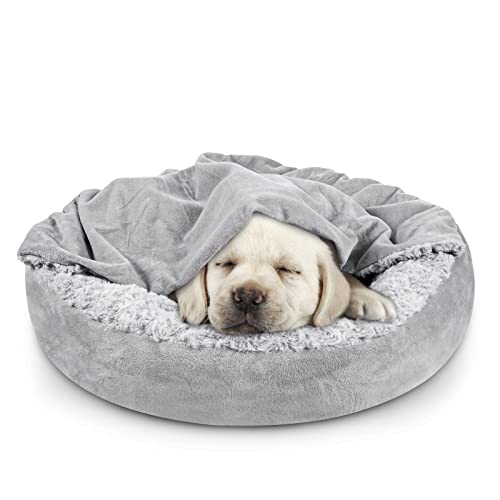
That awkward space under the stairs could become your cat’s favorite retreat.
Add:
- A small washable cat bed
- Soft lighting
- A scratching board
- A few favorite toys
- A small basket for supplies


Keep the area calm and uncluttered.
You can make the nook feel like part of your home’s architecture by using the same color palette as the surrounding room.
8. Use Baskets to Hide Cat Supplies
Cat toys, brushes, blankets, and grooming supplies can quickly create visual clutter.
The solution?
Beautiful storage baskets.
Choose baskets that match your decor and designate each one for a specific purpose.
For example:
- One basket for toys
- One for washable blankets
- One for grooming supplies
- One for extra accessories
Place them near your cat’s favorite areas so everything stays accessible.



9. Add a Cat-Safe Plant Styling Moment
Plants can make a room feel instantly more welcoming.
But not every houseplant is suitable for homes with cats.
Before bringing a plant indoors, verify that it is considered non-toxic to cats by a reliable veterinary or animal poison-control resource.
Once you’ve selected suitable plants, style them using:
- Ceramic pots
- Woven planters
- Wooden plant stands
- Hanging planters positioned safely out of reach
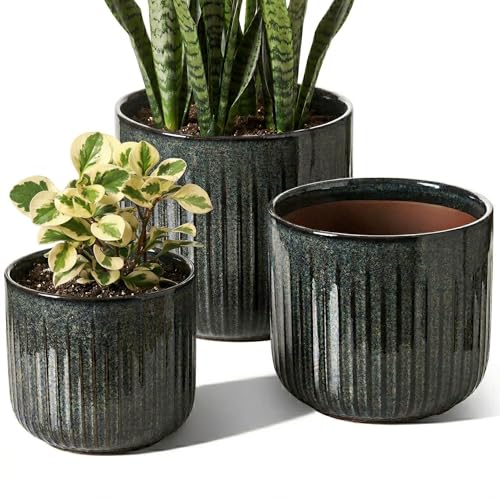


Remember that “cat-safe” doesn’t automatically mean your cat should eat the plant. Keep an eye on curious pets and choose locations thoughtfully.
10. Build a Dedicated Cat Corner in an Unused Space
A small unused corner can become a complete feline retreat.
Combine:
- A compact cat tree
- A scratching post
- A small bed
- A toy basket
- Wall shelves
Keep the color palette consistent with the room.
For example, a neutral living room could use cream upholstery, natural wood, and warm beige accessories.
The result feels like a mini interior design vignette rather than a collection of random pet products.
11. Choose Washable Rugs and Throws
Soft textiles make a home feel cozy—but cats can bring fur, dirt, and occasional messes.
Washable rugs and throws can make everyday maintenance much easier.


Use washable textiles in:
- Cat sleeping areas
- Window perches
- Cat corners
- Living rooms
- Entryways
Layering washable textiles also lets you change the look of a room seasonally without replacing your major furniture.
12. Create a Stylish Toy Storage Station
Your cat may have a collection of toys, but they don’t need to be scattered across the floor.
Create a small toy station using:
- A decorative basket
- A small wooden crate
- A lidded storage box
- A fabric bin
Keep a few favorite toys accessible while storing the rest.
Rotating toys periodically can also help maintain novelty and interest.

13. Make a DIY Cat Bed From a Wooden Crate
A simple wooden crate can become a charming cat bed with a few modifications.
Difficulty: Easy
Time: 30–60 minutes
Materials:
- Clean, sturdy wooden crate
- Fine-grit sandpaper
- Cat-safe washable cushion
- Optional non-toxic wood finish appropriate for indoor use
- Optional furniture feet


Step 1: Inspect the crate carefully and remove any loose staples, nails, or splinters.
Step 2: Sand rough edges until they are smooth.
Step 3: If finishing the wood, use a product suitable for indoor furniture and allow it to cure fully according to the manufacturer’s instructions.
Step 4: Place a washable cushion inside.
Step 5: Position the bed in a quiet area where your cat already enjoys resting.

14. Add a Discreet Cat Feeding Station
Food and water bowls can easily become part of the visual clutter in a kitchen.
Create a dedicated feeding station using a small tray or washable mat.
Look for:
- Easy-to-clean surfaces
- Non-slip construction
- Elevated or ergonomic bowls when appropriate
- Coordinated colors
A simple tray can visually define the feeding area while protecting the floor underneath.


15. Use Furniture Placement to Create Cat Highways
You don’t always need to buy more furniture.
Sometimes, you can use what you already own.
A tall bookcase, sturdy console, window ledge, and cat shelf can create a natural vertical pathway.
Think about how your cat moves through the room.
Can they safely move from:
Floor → Cat tree → Shelf → Window perch?
Creating these connected destinations can turn your home into an enriching environment without making it feel overloaded with pet furniture.
Always ensure furniture is properly secured and that cats cannot access unstable or hazardous objects.
16. Design a Stylish Cat-Friendly Entryway
The entryway is often overlooked when designing for pets.
But it’s an important transition zone.
Create a practical setup with:
- A washable runner
- Closed storage for cat supplies
- A basket for carriers or blankets
- Hooks for pet-related accessories
- A small grooming station if appropriate
If your cat’s carrier is stored here, choose one that can be kept accessible rather than permanently hidden away. This can make future travel and veterinary visits less stressful.
17. Create a Complete Cat-Friendly Design System
The most effective approach is to stop thinking about individual cat products and start thinking about your entire home as a system.
A well-designed cat-friendly home should ideally provide access to:
- A Place to Scratch – Include multiple scratching surfaces in areas your cat naturally spends time.
- A Place to Climb – Provide safe vertical territory through cat trees, shelves, or climbing systems.
- A Place to Hide – Cats often appreciate quiet, enclosed spaces where they can retreat.
- A Place to Watch – A secure window perch can provide visual enrichment.
- A Place to Sleep – Give your cat comfortable resting options in different areas of the home.
- A Place to Play – Keep toys available and rotate them to maintain interest.
- A Place to Eat – Create a clean, consistent feeding zone.
- A Place to Use the Litter Box – Prioritize privacy, accessibility, ventilation, and cleanliness.
When these needs are thoughtfully incorporated into your interior design, your home can feel beautiful while still being genuinely comfortable for your cat.
Making Your Home More Cat-Friendly Without Losing Your Style
- If you’re starting from scratch, don’t feel like you need to redesign your entire home overnight.
- Start with the areas your cat already uses most.
- If your cat scratches the sofa, add an attractive scratching post nearby.
- If your cat spends hours looking out the window, create a dedicated perch.
- If toys are constantly scattered around your living room, add a beautiful storage basket.
- If your cat prefers high places, consider adding vertical shelves.
- The best cat-friendly home decor ideas work because they solve an existing problem while improving the overall appearance of your home.
- Think integration, not concealment.
- Instead of hiding every sign that you own a cat, choose pieces that complement your interior.
How Do I Make My House Cat-Friendly?
To make a house cat-friendly, create a safe environment that supports your cat’s natural behaviors. Provide scratching surfaces, vertical climbing opportunities, comfortable resting areas, hiding spaces, interactive enrichment, a suitable litter box location, and access to fresh water and food.
You should also secure unstable furniture, keep hazardous items out of reach, and verify that indoor plants are safe for cats.
The best cat-friendly home is not necessarily the one with the most pet products. It’s the one where your cat can comfortably perform natural behaviors while the home’s design remains functional and cohesive.
What Is the Best Furniture for a Cat-Friendly Home?
The best furniture for a cat-friendly home is durable, easy to clean, stable, and appropriate for your cat’s habits.
Look for:
- Tightly woven upholstery
- Washable covers
- Scratch-resistant materials
- Stable furniture
- Secure cat trees
- Wall-mounted climbing systems
- Furniture with rounded, safe edges
- Easy-to-clean surfaces
You should also consider your individual cat’s personality.
A highly active cat may benefit from more vertical climbing space, while a shy cat may prefer enclosed hiding places.
Protecting Your Sofas From Cat Scratching
The most effective approach is to provide an appealing scratching alternative close to the area your cat already targets.
Try placing a sturdy scratching post beside the sofa.
You can also use a temporary furniture protector while encouraging your cat to use the new scratching surface.
Avoid punishing normal scratching behavior. Instead, make the appropriate scratching location more attractive and rewarding.
Hiding a Litter Box in a Small Home
In a small home, consider a dedicated litter box cabinet, a well-ventilated utility area, or another discreet location that remains easy for your cat to access.
The priority should always be your cat’s comfort and hygiene.
Avoid placing litter boxes in locations that are difficult to access, excessively noisy, poorly ventilated, or inconvenient to clean.
A beautiful enclosure is only useful if your cat actually feels comfortable using it.
Making your Small Apartment Cat-Friendly
Small apartments can be excellent homes for cats when the available space is used thoughtfully.
Focus on vertical territory.
Use:
- Wall-mounted cat shelves
- Window perches
- Compact cat trees
- Under-stair spaces
- Hidden storage
- Multi-purpose furniture
- Dedicated cat corners
Vertical design can give your cat more usable territory without taking up valuable floor space.
Final Thoughts: Beautiful Homes Can Be Cat-Friendly, Too
Your cat doesn’t have to choose between a comfortable home and a beautiful one—and neither do you.
The best Cat-Friendly Home Decor Ideas are the ones that blend feline enrichment with thoughtful interior design.
- A modern cat tree can become a sculptural accent.
- A scratching post can look like furniture.
- A litter box can be discreetly integrated into a storage solution.
- A window perch can become a cozy design moment.
- And an unused corner can transform into your cat’s favorite retreat.
- Start small.
Choose one problem area in your home and solve it with a design-forward solution. Over time, you’ll create a space that feels intentional, stylish, comfortable, and genuinely welcoming for every member of your household—including the one who probably thinks they own the place.
Frequently Asked Questions
- What is the best flooring for a cat-friendly home?
The best flooring for a cat-friendly home is durable, easy to clean, and resistant to scratches and stains. Luxury vinyl, tile, and sealed hardwood can all be practical choices. If you prefer carpet, choose a low-pile option that is easier to vacuum and maintain. Adding washable rugs can provide extra comfort for your cat while protecting high-traffic areas.
- How can I make my living room safe for my cat?
Start by securing unstable furniture, hiding electrical cords, removing small objects that could be swallowed, and keeping toxic plants out of reach. Choose sturdy cat furniture and avoid placing breakable decorations where your cat frequently climbs. Creating designated areas for scratching, climbing, sleeping, and playing can also help redirect your cat away from fragile decor.
- What type of sofa is most suitable for cat owners?
A sofa with tightly woven, durable upholstery is generally a practical choice for homes with cats. Performance fabrics and microfiber can be easier to clean than delicate, loosely woven materials. Consider choosing a sofa in a mid-tone color that naturally disguises pet hair and adding washable throws to areas where your cat likes to rest.
- How do I stop my cat from scratching my furniture?
Provide an appealing scratching post or scratching board near the furniture your cat already scratches. Cats often scratch after waking up or near areas where they spend significant time, so placement is important. Choose a sturdy scratcher that allows your cat to fully stretch and experiment with different textures, such as sisal and cardboard.
- How many scratching posts should a cat have?
There is no universal number because it depends on the size of your home and the number of cats you have. A good starting point is to provide multiple scratching options in different areas, especially near sleeping spaces and furniture your cat already targets. Having more than one type of scratching surface can help accommodate different preferences.
- Are wall-mounted cat shelves safe?
Wall-mounted cat shelves can be safe when they are properly designed, securely installed, and attached to suitable structural support. Always follow the manufacturer’s installation instructions and weight limits. Check the shelves regularly for loose hardware or damage, and create enough space between platforms for your cat to move comfortably.
- How can I create a cat-friendly home without making it look cluttered?
Use a cohesive color palette and select cat furniture that complements your existing decor. Instead of scattering pet accessories throughout the house, create dedicated zones for sleeping, scratching, climbing, and storage. Closed cabinets, decorative baskets, and furniture-style litter box enclosures can also help keep supplies organized.
- What are the best cat-friendly decor materials?
Durable, washable, and tightly woven materials are often practical for cat-friendly homes. Natural wood, performance upholstery, microfiber, washable cotton, and tightly woven fabrics can be good options. For scratching surfaces, sisal and corrugated cardboard are popular choices. Always consider your individual cat’s habits when selecting materials.
- How do I protect my curtains from cats?
If your cat likes climbing or scratching curtains, consider using shorter curtains, durable fabrics, or blinds that are safely installed. You can also provide an alternative climbing or window-watching location nearby. A cat tree or window perch can give your cat a more appealing place to observe the outdoors.
- How can I keep cat hair from taking over my home?
Regular grooming, frequent vacuuming, washable throws, and easy-to-clean upholstery can make managing cat hair easier. Choose textiles that don’t strongly attract or trap fur and use removable covers on your cat’s favorite resting spots. A dedicated grooming routine can also help reduce the amount of loose hair around your home.
- What is the best way to decorate around a cat tree?
Treat the cat tree like any other piece of furniture. Choose one that coordinates with your room’s colors and materials, then position it near a window or in a visually balanced corner. You can surround it with complementary decor while keeping enough space for your cat to climb and move safely.
- Can I have a minimalist home with cats?
Yes. A minimalist home can be very cat-friendly when the available space is designed intentionally. Choose a few high-quality, multi-functional pieces such as a modern cat tree, wall-mounted shelves, and attractive storage baskets. Prioritize your cat’s essential needs while avoiding unnecessary accessories and visual clutter.
- How can I make a rental apartment more cat-friendly?
Renters can use removable or low-impact solutions such as freestanding cat trees, window perches designed for rental use, portable scratching posts, decorative storage baskets, and furniture protectors. If you want to install wall-mounted cat shelves, always check your lease and obtain permission when necessary.
- How do I create vertical space for my cat in a small apartment?
Use the height of your room rather than relying only on floor space. A compact cat tree, securely installed shelves, window perches, and vertical scratching posts can create additional territory. Arrange climbing areas so your cat can move between them comfortably without creating unsafe jumps.
- Should a cat tree be placed near a window?
A window can be an excellent location for a cat tree because many cats enjoy watching birds, people, and outdoor activity. However, the best location depends on your cat’s personality and your home’s layout. Make sure the area is secure and that your cat cannot access unsafe windows or balconies.
- How can I make a litter box area look more stylish?
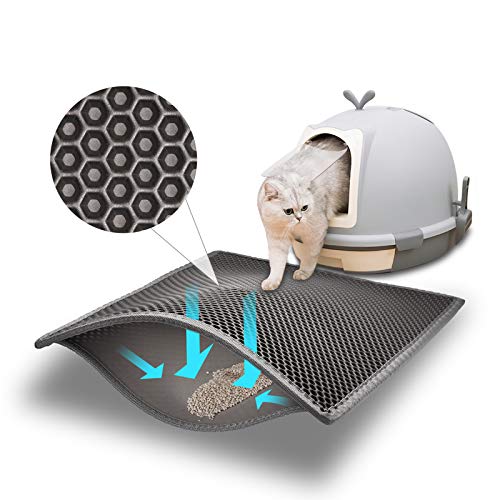
Choose a location that is private, accessible, well-ventilated, and easy to clean. A furniture-style litter box enclosure can help it blend into the room, while a coordinating litter mat can reduce tracking. Keep the area visually simple and avoid placing unnecessary decorations near the litter box.
- What should I avoid when decorating a home for cats?
Avoid unstable furniture, easily breakable objects placed on climbing routes, exposed electrical cords, toxic plants, and small decorative objects that could be swallowed. You should also avoid creating inaccessible litter box locations or using cat furniture that is unstable or improperly installed.
- How can I encourage my cat to use a new cat bed?
Place the bed in a location your cat already enjoys, such as near a window or in a quiet resting area. You can add a familiar blanket or toy to make it more appealing. Some cats need time to investigate new furniture, so avoid forcing your cat to use it.
- How do I design a cat-friendly bedroom?
Start by creating a comfortable resting area away from heavy foot traffic. Add a soft washable bed or blanket, provide an appropriate scratching surface, and keep fragile decor out of areas where your cat likes to climb. If your cat sleeps in the bedroom, consider adding a small storage basket for toys and grooming supplies to keep the room organized.
- Can cat furniture actually improve interior design?
Yes. When carefully selected, cat furniture can complement your interior rather than compete with it. Modern cat trees, natural wood shelves, sculptural scratching posts, and stylish storage solutions can function as attractive design elements while providing important enrichment for your cat.
- What makes a home cat-friendly?
A cat-friendly home provides safe opportunities for scratching, climbing, hiding, playing, sleeping, and observing the environment while minimizing household hazards.
- How do I make my home look nice with a cat?
Choose cat furniture that matches your interior style, use coordinated colors, hide supplies in attractive storage, and create dedicated areas for your cat instead of scattering accessories throughout the home.
- What is the most important thing in cat-friendly interior design?
Safety and enrichment should come first. Your decor should allow your cat to express natural behaviors while keeping furniture, plants, accessories, and other household elements safe and practical.
- Are cat trees good for indoor cats?
Yes. Cat trees can provide valuable vertical territory, exercise, scratching opportunities, and resting spaces for indoor cats, especially when they are positioned in areas where cats enjoy spending time.
- How do I cat-proof my home decor?
Secure unstable furniture, avoid toxic plants, remove hazardous cords and small objects, and keep fragile decorations away from climbing routes. Provide attractive alternatives for scratching, climbing, and playing.
- What is the best decor style for a cat-friendly home?
There is no single best style. Modern, minimalist, Scandinavian, bohemian, traditional, and contemporary interiors can all be adapted for cats. The key is choosing durable materials, safe layouts, and cat furniture that complements your chosen aesthetic.
- Do cats need vertical space?
Most cats benefit from access to vertical space because climbing allows them to explore, observe their surroundings, and retreat when they want privacy. Cat trees, shelves, and window perches are common ways to provide vertical territory.
- How can I make my cat feel comfortable in a new home?
Give your cat access to familiar bedding, food, water, a clean litter box, hiding spaces, and a quiet area to retreat to. Introduce new spaces gradually and allow your cat to explore at their own pace.

