As an Amazon Associate we earn from qualifying purchases. Here’s how it works.
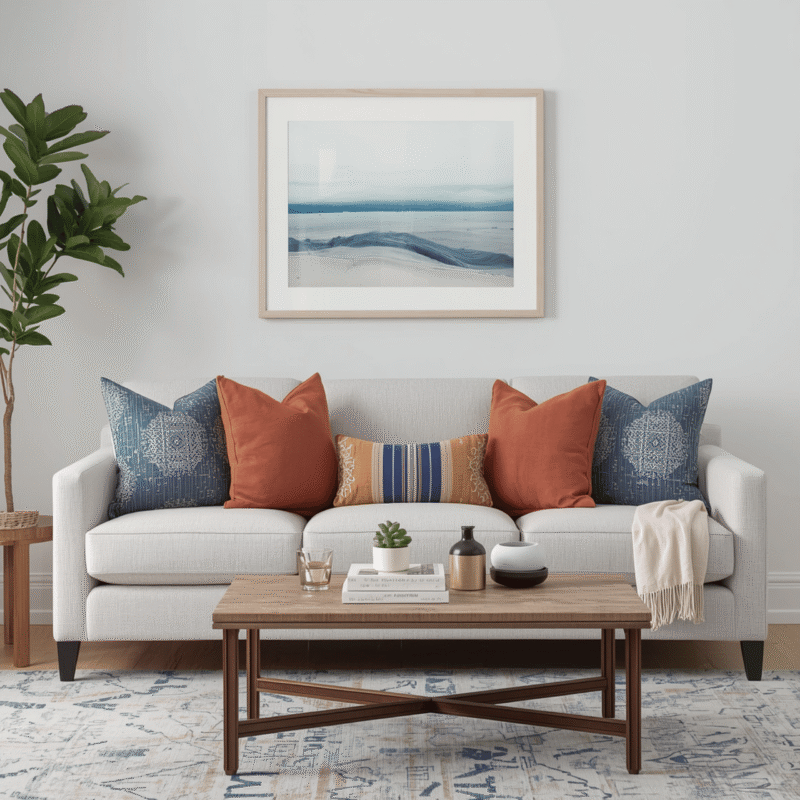
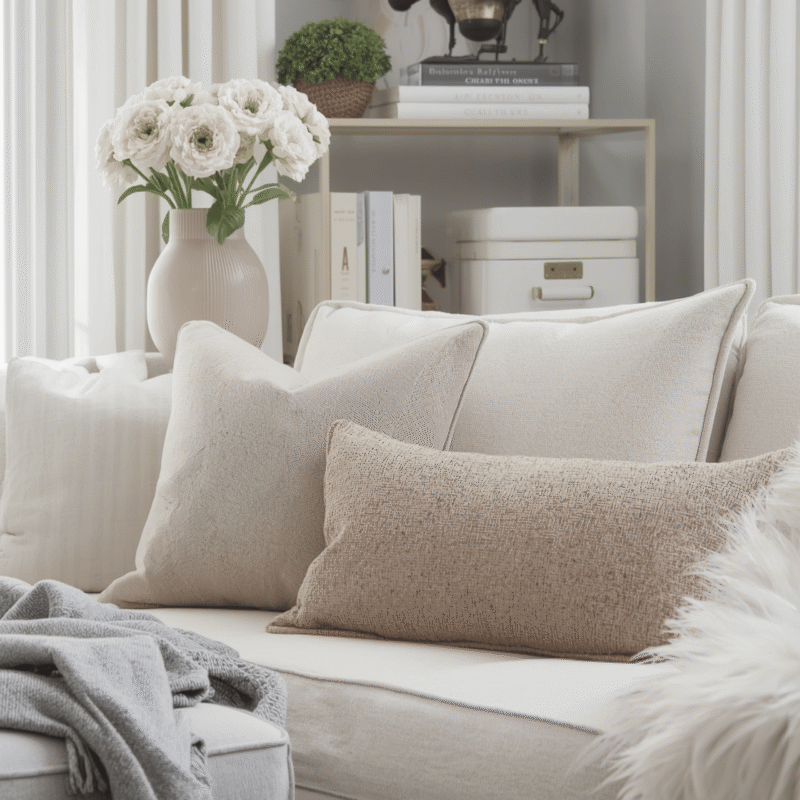
If you want to refresh your living room or bedroom without buying new pillows, DIY decorative pillow covers are one of the easiest and most budget-friendly upgrades you can make. With the right materials and simple techniques, you can create pillow covers that look just as polished as store-bought designs.
Many homeowners and interior decorators use DIY decorative pillow covers to customize colors, textures, and patterns that perfectly match their home decor. Instead of replacing entire pillows, you could simply switch covers to create a fresh and updated look.
In this guide, you’ll learn beginner-friendly ways to make DIY decorative pillow covers that look elegant, durable, and professionally styled.
Why DIY Decorative Pillow Covers Are Worth Trying?
Making your own pillow covers offers more flexibility than buying pre-made ones. You can control the design, choose high-quality materials, and create unique pieces that reflect your style.
Benefits of using DIY decorative pillow covers include:
- Saving money compared to buying new decorative pillows
- Customizing colors and patterns
- Refreshing seasonal decor easily
- Reusing existing pillow inserts
- Creating personalized home accents
DIY projects also allow you to experiment with creative pillow ideas while keeping costs manageable.
Tools and Materials You May Need
Before starting your DIY decorative pillow covers, gather essential supplies that make the process easier and more accurate.
Basic Tools
These tools are commonly recommended for beginner DIY pillow projects:
- Fabric scissors
- Measuring tape
- Sewing pins or clips
- Fabric chalk or washable marker
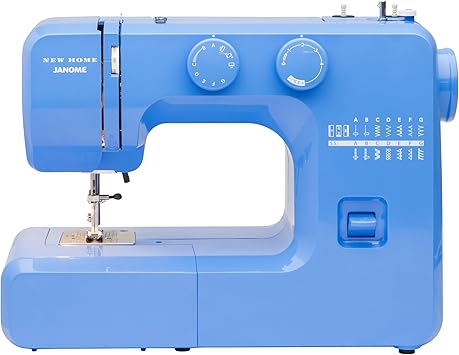
- Sewing machine (optional but helpful)
- Hand sewing needle
- Iron for smoothing fabric


Fabric Options
Choosing the right fabric is important for durability and appearance.
Popular fabric choices include:
- Cotton fabric for everyday pillow covers
- Linen fabric for relaxed, breathable designs
- Velvet fabric for luxury-style pillows
- Canvas fabric for durability
- Woven fabrics for textured decorative pillows

Cotton Fabric

Linen Fabric

Velvet Fabric

Canvas Fabric
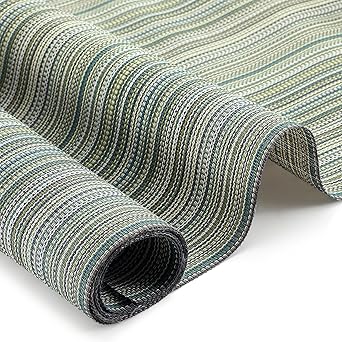
Woven Fabric
These materials are widely and easily available across craft supply collections.
Step-by-Step Guide to Making DIY Decorative Pillow Covers
Even beginners can create attractive DIY decorative pillow covers using simple techniques. Follow these steps carefully to achieve clean results.
Step 1: Measure Your Pillow Insert
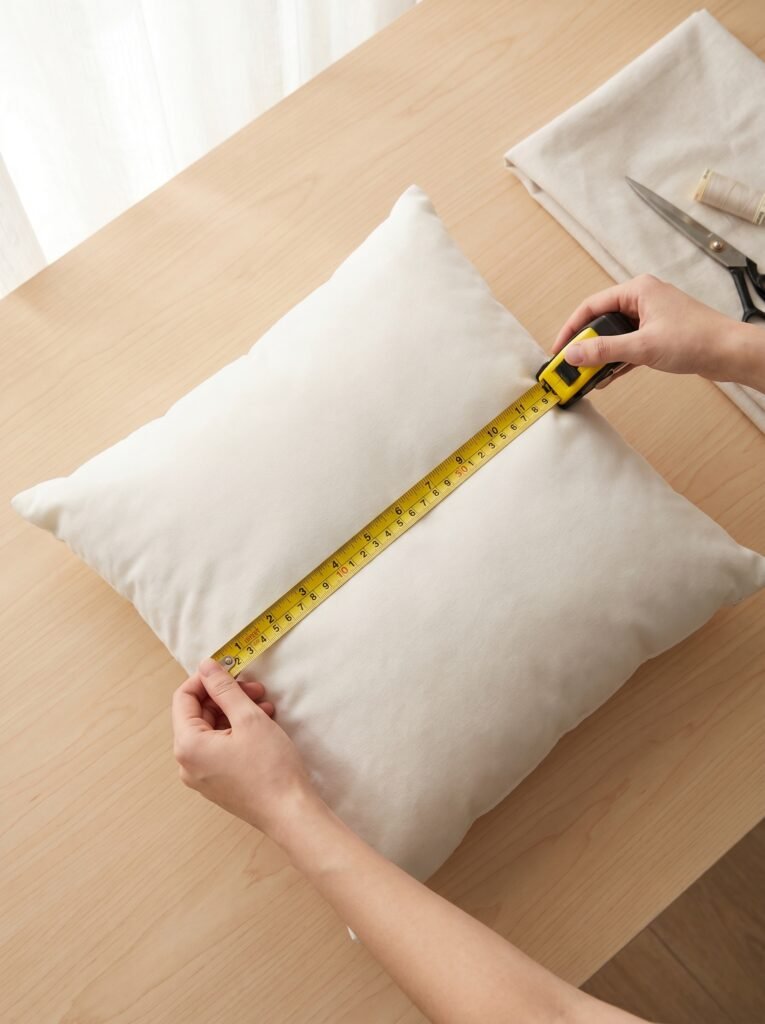
Start by measuring your pillow insert to determine the correct fabric size.
Measure:
- Width
- Height
- Depth (if needed)
Add 1 inch seam allowance on each side to allow room for sewing.
Helpful Tip
You could create slightly smaller covers than the insert size to make pillows appear fuller and more structured.
Step 2: Cut Your Fabric Pieces
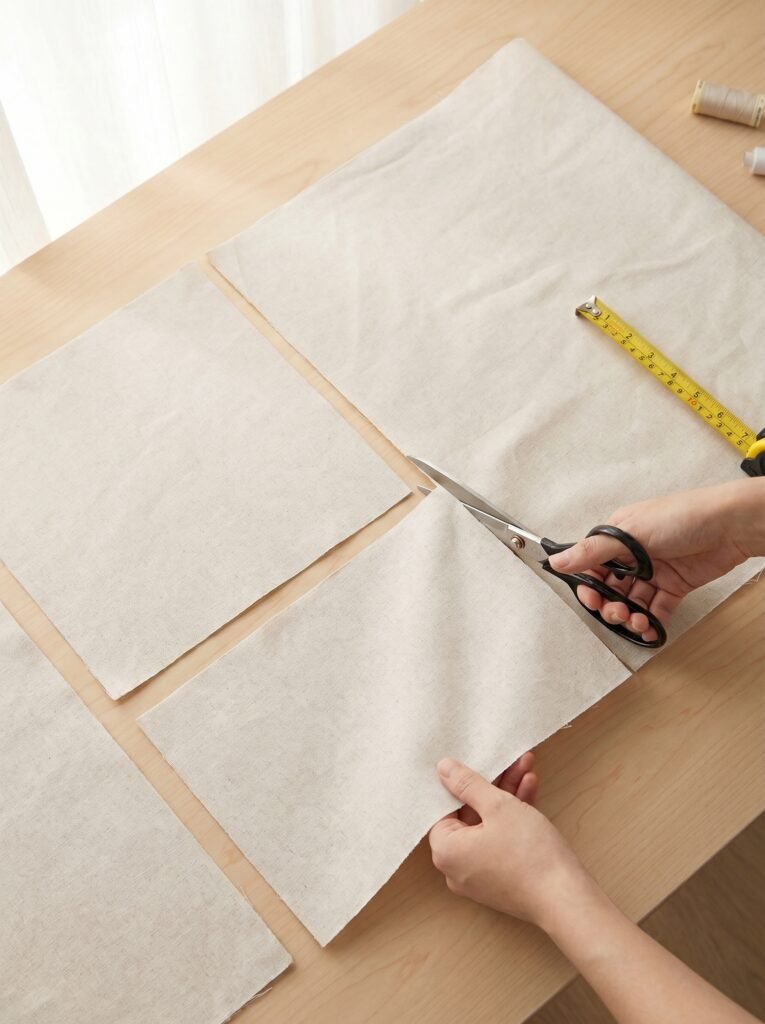
Once measurements are ready, cut fabric pieces according to your pillow size.
For a simple envelope-style pillow cover:
- Cut one front panel
- Cut two back panels
Make sure edges are straight and even.
Helpful Tip
Using sharp fabric scissors improves cutting precision and prevents frayed edges.
Step 3: Create the Envelope Back Closure
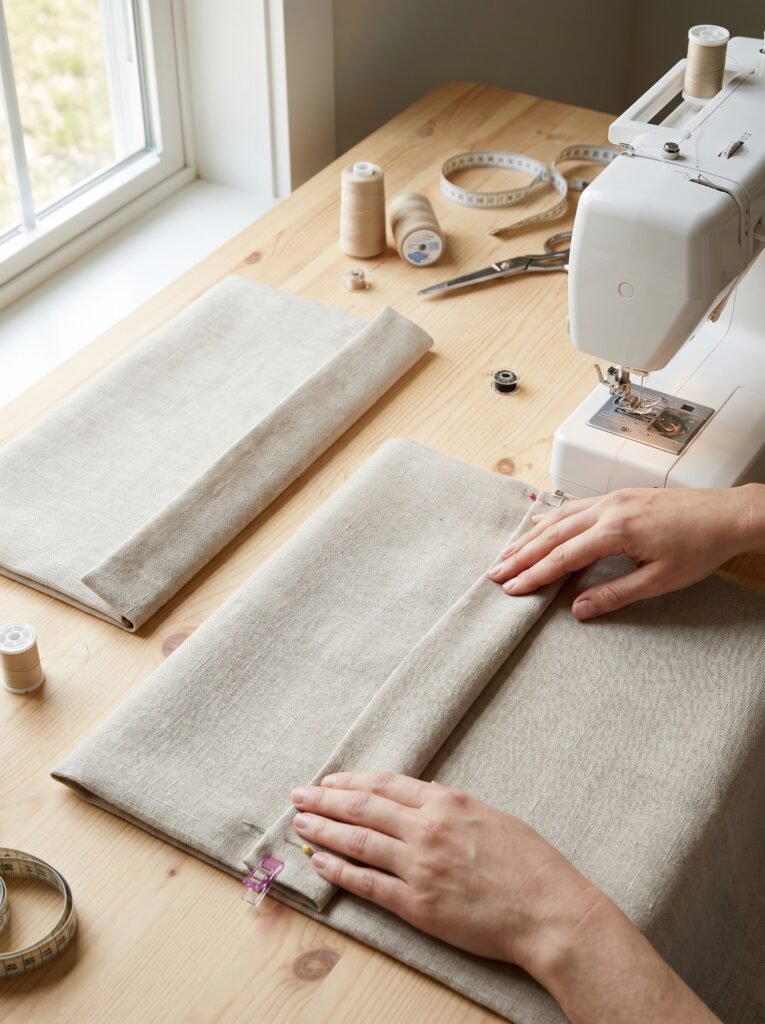
Envelope closures are beginner-friendly and do not require zippers.
Steps:
- Fold one edge of each back panel inward
- Sew the folded edges
- Overlap the back panels when placing them on the front panel
This design allows easy insertion and removal of pillow inserts.
Step 4: Sew the Pillow Cover Together
Place the fabric pieces with right sides facing inward.
Pin edges securely, then sew around the perimeter.
After sewing:
- Trim excess fabric
- Turn the cover right-side out
- Insert pillow form
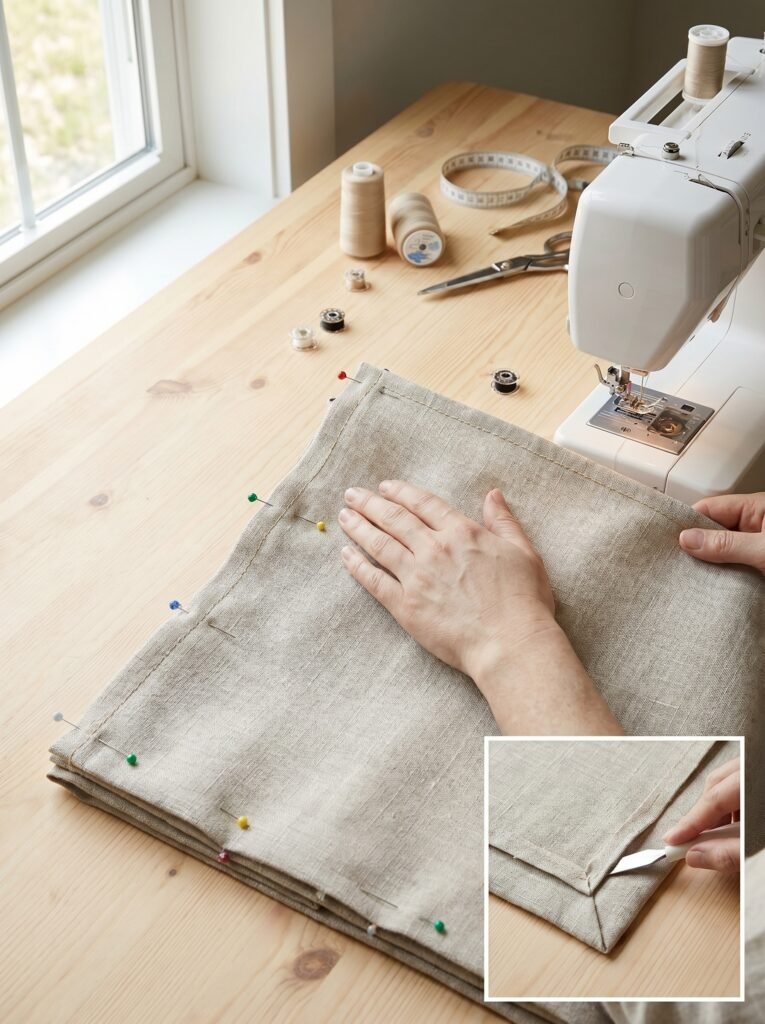
Your DIY decorative pillow cover should now hold its shape.
Step 5: Press and Finish
Use an iron to smooth seams and remove wrinkles.
This final step gives your pillow cover a store-bought appearance.
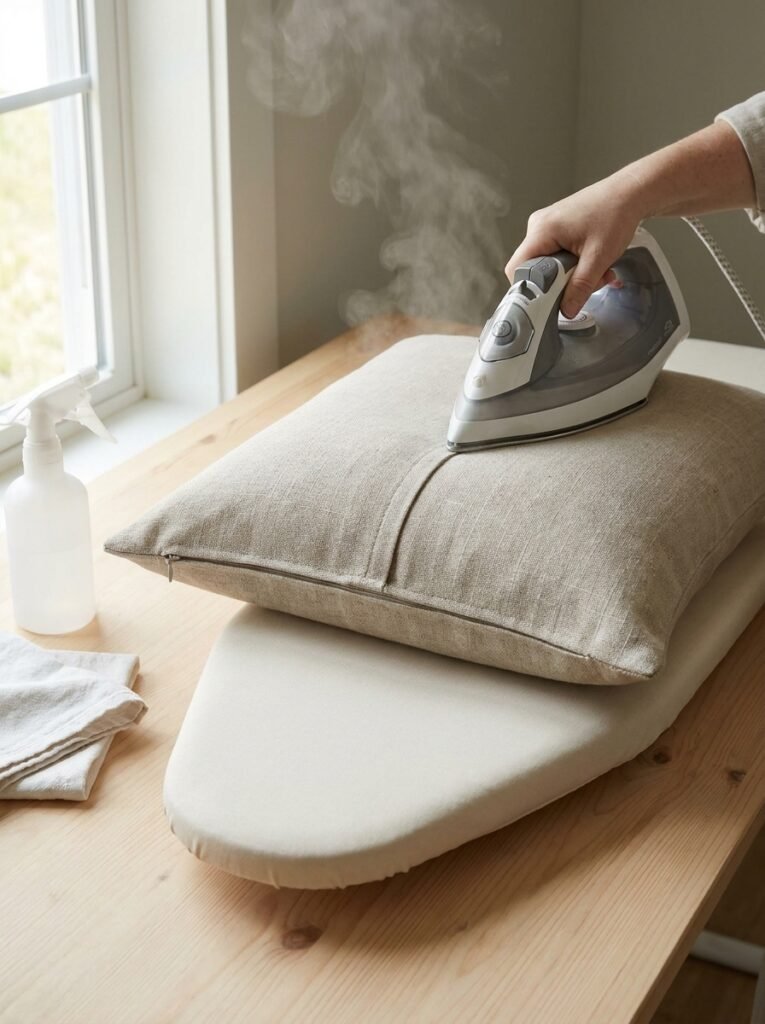
Helpful Tip
Pressing seams makes the finished pillow look cleaner and more professional.
Popular DIY Decorative Pillow Cover Styles to Try
Once you learn the basics, you can experiment with different styles.
1. No-Sew Decorative Pillow Covers
If you don’t own a sewing machine, you can create DIY decorative pillow covers using fabric glue or adhesive strips.
This method works well for:
- Temporary decor updates
- Seasonal pillows
- Beginner DIY projects
Recommended materials include:
- Fabric glue
- Iron-on adhesive tape
- Pre-cut fabric panels


These supplies are commonly available through various online marketplaces selling craft tools and DIY materials.
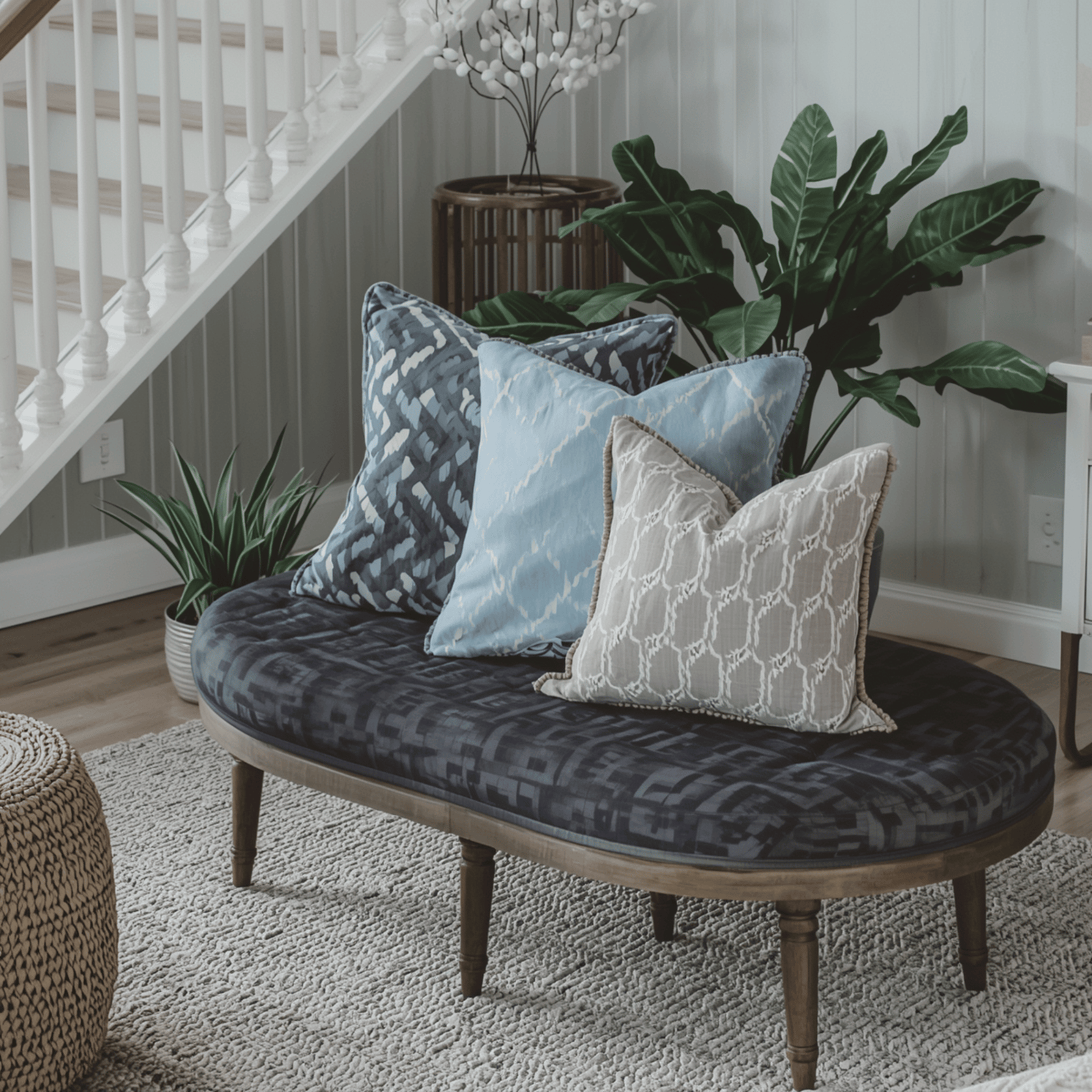
2. Textured DIY Decorative Pillow Covers
Texture adds depth and makes pillows visually interesting.
Popular textured styles include:
- Fringe edges
- Tassel trims
- Pom-pom borders
- Layered fabric panels

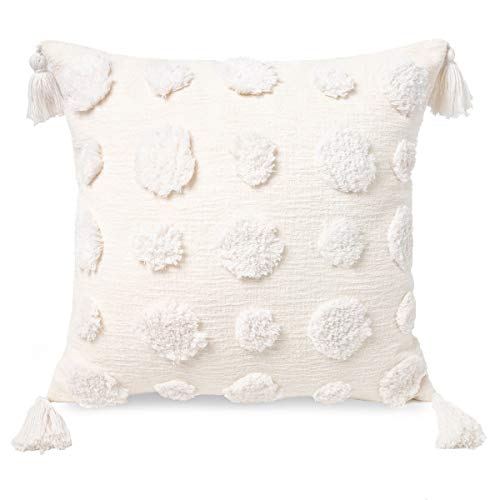


Textured decorative pillows often create a cozy and inviting atmosphere.
3. Seasonal DIY Pillow Covers
Seasonal pillow covers are an excellent way to refresh decor throughout the year.
Popular seasonal themes:
- Spring floral fabrics
- Summer linen textures
- Fall earthy tones
- Winter knit patterns
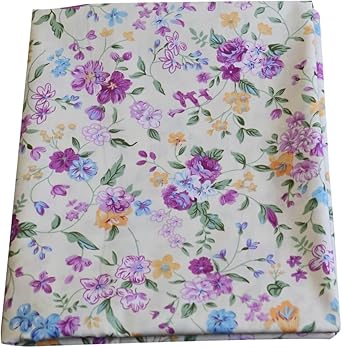

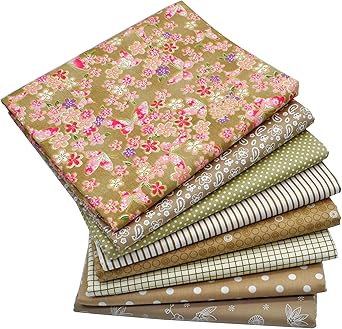

Switching DIY decorative pillow covers seasonally keeps spaces feeling fresh.
4. Patterned DIY Decorative Pillow Covers
Patterned fabrics help create visual interest and personality.
Popular patterns include:
- Geometric prints
- Botanical designs
- Abstract patterns
- Striped fabrics


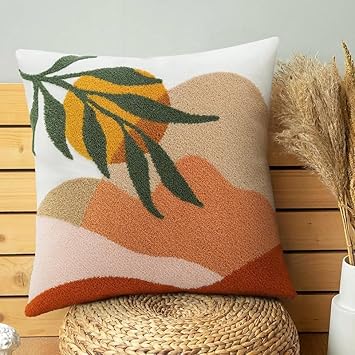

Pattern mixing allows you to create stylish throw pillow combinations.
Choosing the Right Pillow Inserts
The quality of your pillow insert greatly affects the finished look.
Common insert types include:
- Polyester fiberfill inserts
- Down alternative inserts
- Memory foam pillow inserts
- Feather-filled pillow inserts
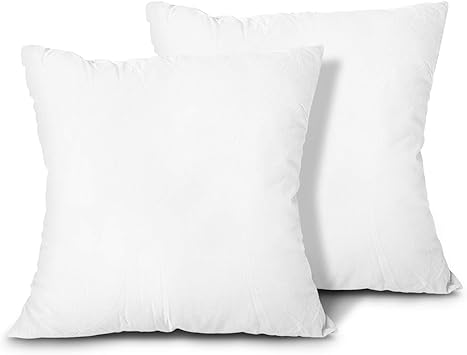


Many interior stylists prefer down-alternative inserts because they maintain shape while remaining soft.
These inserts are widely available across Amazon home decor and bedding categories.
Once your covers are ready, knowing how to style them properly makes a big difference. This complete decorative pillow arrangement guide can help you place them beautifully on sofas and beds.
Common Mistakes to Avoid When Making DIY Decorative Pillow Covers
Avoiding these mistakes helps ensure professional-looking results.
Common issues include:
- Incorrect measurements
- Using thin fabric
- Skipping seam allowance
- Uneven cutting
- Poor pressing techniques
Taking extra time during preparation often leads to better outcomes.
Where DIY Decorative Pillow Covers Work Best?
You can use your finished DIY decorative pillow covers throughout your home.
Popular locations include:
- Living room sofas
- Bedroom beds
- Accent chairs
- Window benches
- Reading corners
Using matching covers across rooms creates visual consistency.
Final Thoughts: DIY Decorative Pillow Covers Make Decorating Easy
Creating DIY decorative pillow covers is one of the most practical ways to personalize your home decor. With basic tools, simple techniques, and thoughtful fabric choices, you can create pillows that look elegant and professionally styled.
Whether you’re updating seasonal decor or refreshing everyday living spaces, handmade pillow covers give you creative freedom and flexibility. Over time, experimenting with new DIY decorative pillow covers can help you build a collection that reflects your personal style while keeping your home comfortable and visually appealing.
Frequently Asked Questions
- What is the easiest type of DIY decorative pillow cover to make?
The easiest DIY decorative pillow covers to make are envelope-style covers. This style does not require zippers or buttons, making it beginner-friendly. You could complete an envelope pillow cover using basic sewing skills or even no-sew adhesive methods.
- Can you make DIY decorative pillow covers without sewing?
Yes, you can create DIY decorative pillow covers without sewing by using fabric glue or iron-on adhesive tape. No-sew pillow covers are popular among beginners because they require fewer tools and still produce attractive results suitable for everyday home decor.
- What fabric works best for DIY decorative pillow covers?
Popular fabrics for DIY decorative pillow covers include cotton, linen, canvas, and velvet. Cotton is often recommended for beginners because it is easy to cut and sew, while linen and velvet create a more decorative and high-end appearance.
- How much fabric do you need to make a decorative pillow cover?
The amount of fabric needed for DIY decorative pillow covers depends on the pillow size. For a standard 18×18-inch decorative pillow, you typically need about one yard of fabric to create both the front and back panels with seam allowance.
- How do you make DIY decorative pillow covers look professional?
To make DIY decorative pillow covers look professional, you should measure carefully, cut straight edges, and press seams with an iron. Using thicker fabrics and maintaining consistent seam allowance also helps improve the overall finish and durability.
- What size decorative pillow inserts should you use?
Most DIY decorative pillow covers use inserts sized 18×18 inches, 20×20 inches, or 22×22 inches. Many decorators recommend using inserts slightly larger than the pillow cover to create a fuller and more structured appearance.
- How often should you change decorative pillow covers?
You may want to change DIY decorative pillow covers seasonally or when updating your home decor theme. Many homeowners rotate covers every few months to match seasonal colors, holidays, or changing interior styles.
- Are DIY decorative pillow covers cheaper than buying new pillows?
Yes, making DIY decorative pillow covers is often more affordable than buying new decorative pillows. Reusing pillow inserts while switching covers allows you to refresh your space without replacing the entire pillow, making it a cost-effective decorating option.