As an Amazon Associate we earn from qualifying purchases. Here’s how it works.
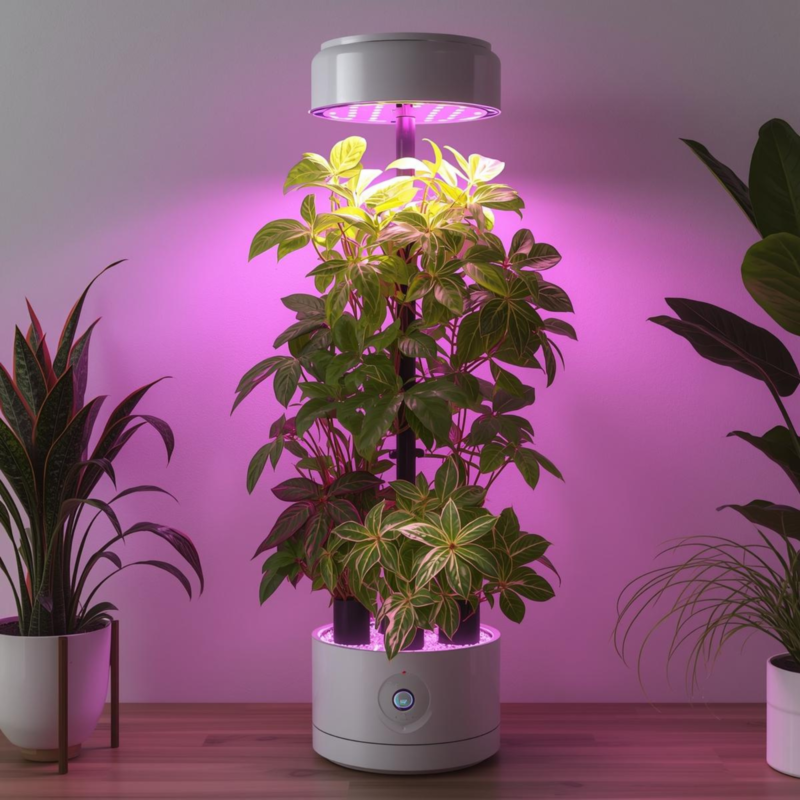
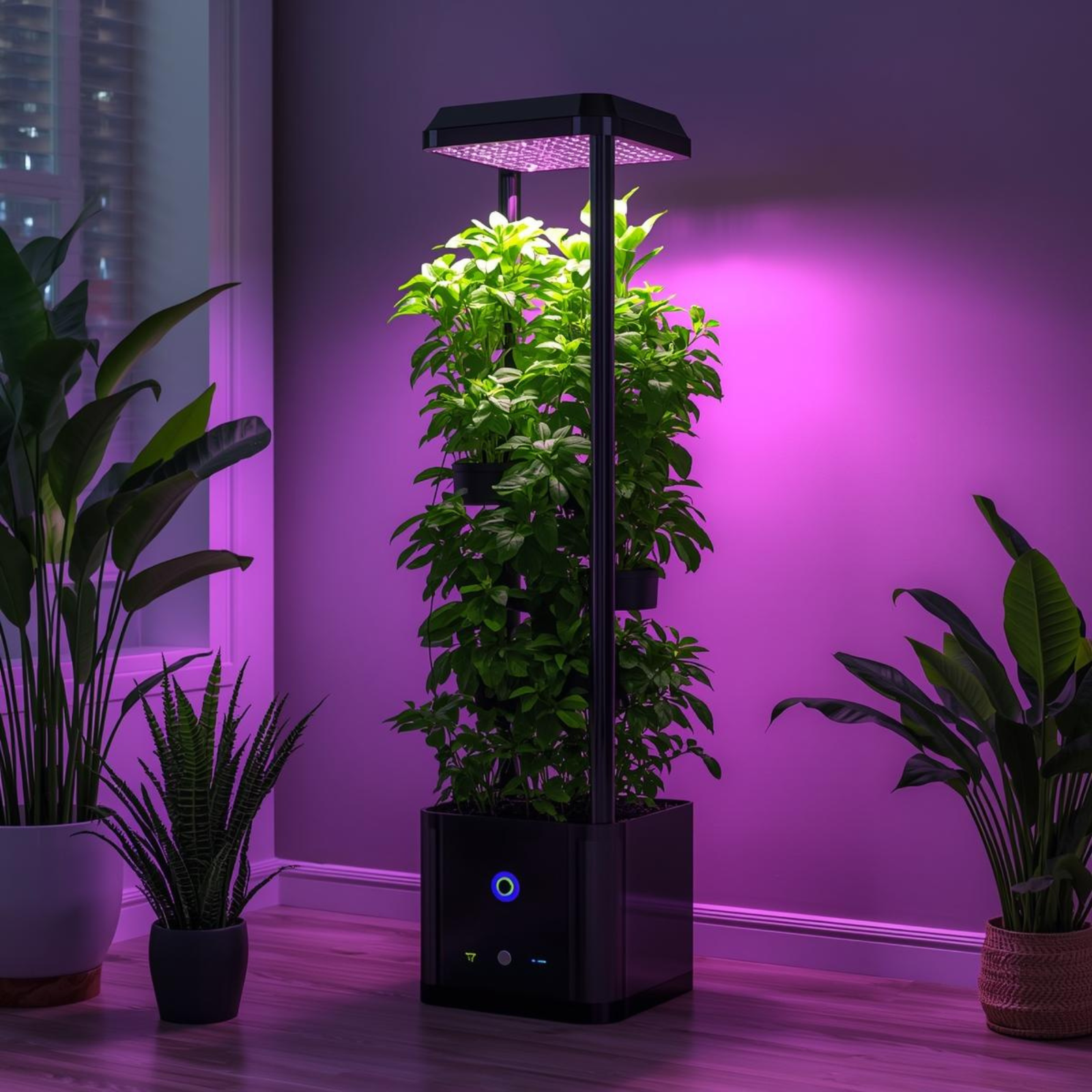
Growing fresh food indoors no longer means cluttered shelves, grow tents, or complicated setups. The indoor hydroponic garden tower with lights has completely changed how modern households grow herbs, leafy greens, and vegetables year-round.
These vertical hydroponic systems combine LED grow lighting, water-based growing, and compact tower designs that fit effortlessly into kitchens, dining spaces, and apartments. With no soil, minimal maintenance, and impressive yields, they’ve become a favorite for urban homes, busy professionals, and health-conscious families.
This guide breaks down how indoor garden towers work, what to look for when buying one, and which available systems out there in the marketplace actually deliver results — all in one place.
What Is an Indoor Hydroponic Garden Tower?
An indoor garden tower is a vertical growing system that allows plants to grow upward instead of outward. Instead of soil, plants grow in nutrient-rich water, supported by net cups and a central reservoir.
Most modern towers use:
- Soilless growing methods
- Stacked vertical columns
- Integrated LED grow lights
- Automated water circulation
- Compact footprints for small spaces
These systems are designed to grow fresh herbs, leafy greens, lettuce, microgreens, and even fruiting plants like strawberries or cherry tomatoes indoors.
How Built-In Grow Lights Make All the Difference?
Light is the biggest challenge for indoor gardening — and where garden towers excel.
High-quality systems use full-spectrum LED grow lights that mimic natural sunlight and support every growth stage.
Benefits of Integrated Lighting
- Consistent light exposure for all plant levels
- Energy-efficient LEDs with low heat output
- Optimized light wavelengths for photosynthesis
- Year-round indoor growing, regardless of season
These plant growth lights eliminate the need for windows or outdoor sunlight, making them ideal for apartments, condos, and low-light homes.
Why Vertical Hydroponic Towers Outperform Traditional Indoor Gardens?
Compared to pots, shelves, or countertop units, towers offer serious advantages.
Key Advantages
- Space-saving vertical gardening
- Faster plant growth due to oxygenated roots
- Water efficiency using recirculating systems
- Cleaner, mess-free indoor setup
- Higher yield per square foot
This makes them especially attractive for anyone looking to grow food indoors without sacrificing aesthetics or space.
Types of Indoor Hydroponic Garden Towers
Not all towers are built the same. Understanding the system type helps avoid buyer regret.
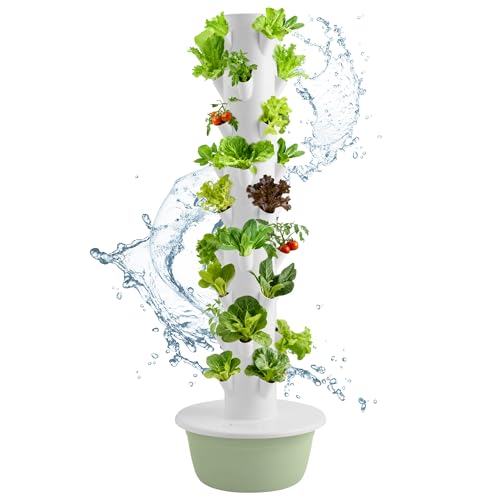
1. Pump-Driven Recirculating Towers
Uses a small pump to circulate nutrient solution from the base to the top.
- Common in smart hydroponic towers
- Best for beginners
- Consistent nutrient delivery

2. Smart App-Connected Towers
These systems automate lighting, watering, and feeding schedules.
- Ideal for busy lifestyles
- Remote monitoring via smartphone
- Often include alerts and reminders


3. Manual Gravity-Fed Towers
Lower-cost options with fewer electronics.
- More hands-on
- Less precise nutrient control
- Good for experienced growers

What Can You Grow in an Indoor Garden Tower?
Indoor hydroponic towers are best suited for fast-growing, lightweight plants.
Best Crops for Tower Systems
- Basil, mint, parsley, cilantro
- Romaine, butterhead, arugula
- Spinach and kale
- Microgreens
- Strawberries
- Cherry tomatoes (with support)

These crops thrive in high-oxygen root environments and benefit from constant access to nutrients.

What to Look for Before Buying One?
Before choosing a system, evaluate these essential features.
Must-Have Features
- Adjustable LED grow lights
- Food-safe materials
- Quiet water pump
- Stable base design
- Easy nutrient access
- Compatible replacement parts
Systems designed specifically for indoor use are quieter, cleaner, and safer for home environments.
Indoor Hydroponic Garden Towers Worth Considering
These systems align well with US buyer expectations, availability, and long-term usability.
Recommended Products that are available easily in the market
- Gardyn Home Hydroponic Tower System
- iDOO Hydroponic Growing System with LED
- LetPot Smart Hydroponic Tower Garden
- GEHPYYDS Vertical Hydroponic Garden Tower with Lights
These systems offer a balance of automation, capacity, and design appeal for indoor spaces.

Which Indoor Hydroponic System Should You Pick?
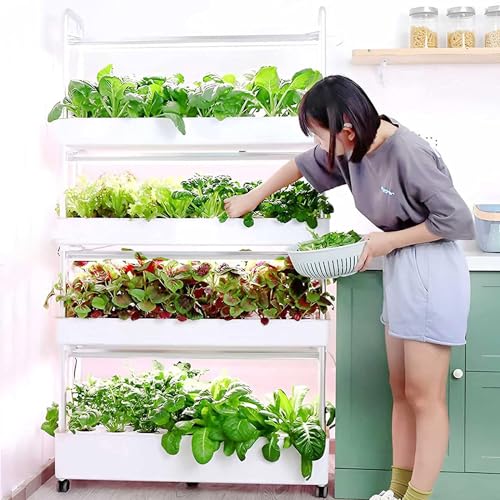
If you’re selecting your first hydroponic garden tower, the right system depends on space, plant volume, and how automated you want your setup.
Use the comparison tables below to weigh features, lighting, capacity, and overall cost so you can choose a setup that fits your lifestyle — whether it’s growing fresh herbs on a kitchen counter or harvesting leafy greens year-round.

| 
|
| 
|
$899.00
| $117.97
| ||
Plant Capacity:
High (10–30+) | Plant Capacity:
Low (6–12) | Plant Capacity:
Medium (12–20) | Plant Capacity:
Low (1–6) |
Best For:
Growing multiple crops | Best For:
Small countertop greens | Best For:
Balanced mini gardens | Best For:
Individual plants |
Lighting:
Built-in LEDs all levels | Lighting:
Built-in LEDs overhead | Lighting:
Integrated smart LEDs | Lighting:
Requires separate grow light |
Maintenance Level:
Medium | Maintenance Level:
Low | Maintenance Level:
Low-Medium | Maintenance Level:
Medium |
Water Use:
Efficient recirculating | Water Use:
Very efficient | Water Use:
Efficient | Water Use:
Water stays static |
Space Need:
Vertical space | Space Need:
Minimal countertop | Space Need:
Vertical / countertop | Space Need:
Countertop |
Best Use Case:
Families, serious harvest | Best Use Case:
Beginners, herbs | Best Use Case:
Busy lifestyles | Best Use Case:
Hobby gardeners |
Related Post: Hydroponic Indoor Garden System: A Simple Smart Setup You Can Do at Home
Operating Costs & Energy Efficiency
One concern many buyers have is ongoing cost.
Typical Monthly Costs
- Electricity: Comparable to a small lamp
- Water usage: Significantly less than soil gardening
- Nutrients: Inexpensive liquid concentrates

Modern energy-efficient grow lights and recirculating hydroponics keep operating costs surprisingly low.
Is an Indoor Hydroponic Tower Worth It?
For households that value fresh food, clean design, and convenience — absolutely.
These systems are ideal for:
- Apartment dwellers
- Families wanting pesticide-free produce
- Wellness-focused households
- Smart-home enthusiasts
- Busy professionals
With minimal effort, you gain fresh greens all year, reduced grocery trips, and a visually striking indoor feature.
Final Thoughts: A Smarter Way to Grow Indoors
An indoor hydroponic garden tower with lights is more than a gardening trend — it’s a modern lifestyle upgrade. By combining vertical farming, LED grow technology, and water-based cultivation, these systems deliver consistent harvests without the mess or learning curve of traditional gardening.
For anyone serious about growing food indoors — beautifully, efficiently, and reliably — a vertical hydroponic tower is one of the smartest investments available today.
Frequently Asked Questions
- Do indoor hydroponic garden tower with lights really work without sunlight?
Yes. High-quality systems use full-spectrum LED grow lights designed to replicate the wavelengths plants need for photosynthesis. These lights fully replace sunlight, making indoor hydroponic towers effective even in apartments, basements, or low-light homes.
- What plants grow best in an indoor hydroponic garden tower with lights?
Indoor hydroponic towers are ideal for lightweight, fast-growing crops, including:
– Leafy greens like lettuce, spinach, and kale
– Herbs such as basil, mint, cilantro, and parsley
– Microgreens
– Strawberries
– Cherry tomatoes (with proper support)
Root vegetables and large fruiting plants are generally not suitable for tower systems. - How much space does an indoor hydroponic tower need?
Most indoor garden towers require less than 3 square feet of floor space. Height is more important than width, so checking ceiling clearance is essential. Their vertical gardening design makes them perfect for apartments and small homes.
- Are indoor hydroponic garden towers beginner-friendly?
Yes. Many modern systems are designed specifically for beginners and include:
– Automated water circulation
– Pre-set lighting schedules
– Simple nutrient dosing
– Easy assembly
Smart Indoor Hydroponic Garden Tower With Lights reduce guesswork and make indoor gardening accessible even with no prior experience. - How often do you need to add nutrients to an Indoor Hydroponic Garden Tower With Lights
Most systems require nutrient solution replenishment every 1–2 weeks, depending on plant size and growth stage. Full water changes are typically recommended every 2–4 weeks to maintain nutrient balance and prevent salt buildup.
- Is hydroponic food safe to eat?
Absolutely. Hydroponic produce is often cleaner than soil-grown food because it’s grown in a controlled environment with no soil-borne pests. When using food-safe systems and proper nutrients, hydroponically grown greens are safe, fresh, and pesticide-free.
- How much electricity does an Indoor Hydroponic Garden Tower With Lights use?
Most indoor hydroponic towers are energy-efficient. Monthly electricity usage is typically similar to running a small LED lamp. Modern energy-efficient grow lights and low-wattage pumps keep operating costs low for everyday home use.
- Do hydroponic towers smell or attract bugs?
No. Because there’s no soil, indoor hydroponic systems are clean and odor-free. When properly maintained, they are far less likely to attract pests compared to traditional houseplants or soil gardens.
- How long does it take to harvest plants from Indoor Hydroponic Garden Tower With Lights?
Growth is usually faster than soil gardening. Many leafy greens and herbs are ready to harvest in 3–5 weeks, depending on the plant variety, lighting schedule, and nutrient balance.
- Can you grow food year-round in an indoor hydroponic tower?
Yes. With controlled lighting, water, and nutrients, indoor hydroponic garden towers support continuous, year-round growing regardless of outdoor weather or season.
- Are indoor hydroponic towers worth the investment?
For households that value fresh produce, convenience, and clean design, indoor hydroponic towers are often worth it. They reduce grocery spending on greens, save space, and provide a reliable source of fresh food with minimal daily effort.
- What’s the difference between a hydroponic tower and countertop garden?
A hydroponic tower offers vertical growing capacity, allowing significantly more plants in the same footprint. Countertop gardens are smaller and better for herbs only, while towers are ideal for households seeking higher yields and variety.
- Can indoor hydroponic towers be used as a decorative feature?
Yes. Many modern systems are designed with minimal, furniture-like aesthetics, making them suitable for kitchens, dining rooms, and living spaces. They often function as both a food source and a visual centerpiece.