As an Amazon Associate we earn from qualifying purchases. Here’s how it works.
At its core, a hydroponic system is simply a way to deliver nutrient-rich water (and oxygen) to plant roots — no soil needed. What changes from system to system is how that water gets to the roots. Some submerge the roots completely, some drip water through a medium, some mist it — these differences shape how easy a system is to maintain, how fast plants grow, and what kinds of plants you can grow.
New to the concept? You may want to explore the fundamentals in Hydroponic Gardening for Beginners: A Complete Introduction to Soilless Growing — it explains everything from nutrient solutions to the basic equipment you’ll need.
Hydroponics isn’t one-size-fits-all. There are multiple hydroponic system types, each with its own rhythm, setup style, and ideal plants. The trick is knowing which one matches your space, lifestyle, and goals. This post breaks down the most popular methods — from beginner-friendly to advanced — so you can pick confidently and start growing without guesswork.
Whether you have a sunny windowsill, a small kitchen counter, or enough room for a full indoor grow setup, one of the systems mentioned in this post will fit right in.
Generally, hydroponic systems fall into two broad categories:
- Solution culture — roots get constant or flowing nutrient solution (often no solid medium needed).
- Substrate-based systems — roots are supported in a neutral medium (like clay or coco) while nutrients are delivered via water or mist.
From those, several different hydroponic system types have emerged. Let’s walk through the major ones — pros, cons, and who they’re best for.
🌿 Main Hydroponic System Types (and What to Know About Each)
1. Deep Water Culture (DWC)
What it is: A simple, classic hydroponic method. Plants sit in net pots above a reservoir of aerated nutrient solution, with roots dangling directly into the water.
Why people love it:
- Super easy setup — perfect for beginners.
- Requires minimal equipment beyond a reservoir, net pot, and air pump.
- Excellent for fast-growing leafy greens, herbs, and small plants.
- Because roots remain submerged, risk of drying out is low.
Considerations:
- Water needs to be oxygenated well (air stones, pumps).
- Light and nutrient balance must be maintained to avoid root issues.
Good for: Indoor herbs, lettuce, spinach, small herbs, microgreens — especially if you want a low-maintenance, “set and forget” system.

2. Nutrient Film Technique (NFT)
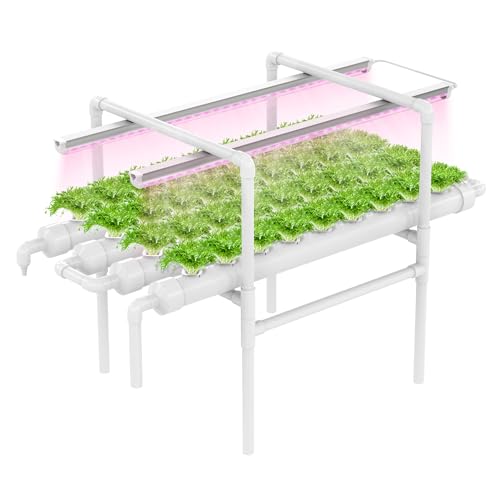
What it is: A thin stream (film) of nutrient solution flows continuously through channels (gutters). Roots hang in that shallow water film just enough to take nutrients and oxygen.
Why people love it:
- Highly water-efficient.
- Great oxygen exposure for roots (the roots aren’t fully submerged).
- Ideal for fast-growing, shallow-rooted plants like lettuce, basil, herbs.
- Minimal growing media required (or none).
Considerations:
- Requires reliable water flow — if pump fails, plants can suffer quickly.
- More technical setup than DWC (slope, flow rate, channel length matter).
Good for: Greens, herbs — particularly if you want efficient water use and streamlined, modern setups.
⚠️ What to watch out for with NFT kits
Because NFT relies on a thin, continuously flowing film of nutrient water over plant roots rather than full submersion, the system is sensitive to flow interruptions. If the pump fails or the slope of the channels isn’t correct, roots can dry out fast
✅ Best use cases for NFT kits
NFT-based systems tend to excel with fast-growing, shallow-rooted plants — like lettuce, herbs, and leafy greens. The constant nutrient flow allows roots to stay moist and well-oxygenated without needing heavy growing media.
3. Ebb and Flow (Flood & Drain)
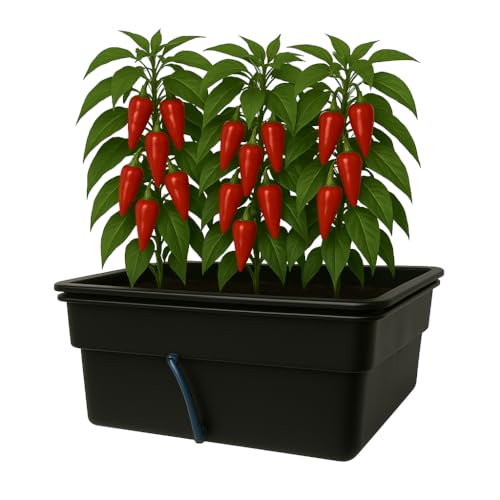
What it is: Plants sit in a grow bed filled with a growing medium (like clay pebbles, coco, or similar). On a timer, the bed floods with nutrient solution, then drains back into a reservoir. Roots get nutrients, then oxygen when drained.
Why people love it:
- Versatile — works for many kinds of plants, including larger or fruiting ones.
- Medium provides root support, which is especially helpful for plants with larger root systems or heavy foliage.
- Oxygenation is built-in (roots get aeration during the drain phase).
Considerations:
- More parts: pump, timer, grow bed, drain tray — so setup & maintenance are heavier.
- Need to monitor flood cycles carefully to avoid overwatering or root rot.
Good for: Tomatoes, peppers, larger herbs, and fruiting plants — basically anything more substantial than a leafy green.
4. Drip Systems
What it is: A pump delivers nutrient solution through drip lines to the base of each plant (or pot with growing medium). Excess solution drips back or drains.
Why people love it:
- Very flexible — can support a range of plant sizes.
- Works for recirculating or non-recirculating setups (allows more control).
- Good for medium-to-large plants that need steady but not constant hydration.
Considerations:
- More moving parts and tubes — more chance for clogs or leaks.
- Medium must drain well to avoid sogginess or root issues.
Good for: Medium or large vegetables, herbs, compact fruiting plants — especially when using a medium like coco or clay pebbles.
![LetPot Automatic Watering System for Potted Plants, [Wi-Fi & App Control] Drip Irrigation Kit System, Smart Plant Watering Devices for Indoor Outdoor, Water Shortage Remind, IPX66, Green](https://m.media-amazon.com/images/I/811dPVLxpAL._SX425_.jpg)
5. Wick System
What it is: Passive hydroponics. A wick (like a cotton string or similar) draws nutrient solution from a reservoir up to the growing medium by capillary action.
Why people love it:
- No pumps, no electricity — silent and very low maintenance.
- Great for small herbs, microgreens, or for testing hydroponics with minimal setup.
- Easy to build with simple materials.
Considerations:
- Less efficient for larger plants. Wicking is slow and may not deliver enough nutrients for heavy feeders.
- Water delivery can be inconsistent depending on wick quality and medium.
Good for: Herbs, small plants, people wanting ultra-low-maintenance hydroponics without noise or pumps.
⚠️ Why Wick-Compatible Products Are Harder to Pin Down
Because wick hydroponics is very simple and often DIY or “self-watering pot” style, many of the kits on marketplaces like Amazon are not explicitly labeled “wick system”. Instead, you get:
- Self-watering pots or planters
- Passive indoor planters with reservoirs
- Generic hydroponic nutrient solutions + grow media
To use them as a proper wick system, you typically need to ensure:
- There is a reservoir holding water + nutrients.
- A wick or fabric liner draws up the water to the plant roots (cotton, felt, or similar).
- The growing medium (like LECA, clay pebbles, coco, or perlite) supports roots while staying moist via capillary action.
Because of that simplicity, pure “wick-system kits” are rare — many growers assemble their own passive pots using standard planters or self-watering containers.
🎯 Our Recommendation for a Wick-Based Start
If we were you and we wanted to try a wick hydroponics setup with minimal fuss, we’d pick something like:
- A self-watering pot or planter that has a hidden reservoir
- A good hydroponic nutrient solution like General Hydroponics FloraNova Grow
- Use LECA / clay pebbles or another airy medium
- Use a cotton or felt wick to draw nutrients from the reservoir to the medium
This setup is quiet, needs no electricity, and demands very little maintenance — perfect if you want an easy entry into passive hydroponics or a “grow herbs on my shelf” kind of vibe.

6. Aeroponics (Mist Systems / High-Oxygen Culture)
What it is: Roots hang in air, inside a chamber. A fine nutrient mist sprays onto the roots at intervals. Roots absorb moisture, nutrients, and oxygen directly.
Why people love it:
- Fastest growth rates — roots get maximum oxygen and nutrients.
- Super water-efficient (uses less water than most systems).
- Especially good for leafy greens, herbs, or plants where root health is critical for yield.
Considerations:
- More technical setup: needs reliable misting nozzles, timers, and good maintenance.
- Higher risk if pump fails — roots can dry fast.
Good for: Advanced hobbyists, vertical farms, or anyone aiming for maximum growth speed or working with delicate plants.
✅ Good Aeroponic Kits & Systems to Consider
- Ahopegarden Indoor Garden Hydroponics Growing System (Aeroponic Kit) — a countertop indoor garden kit with LED grow light + water/nutrient delivery system designed to mist or circulate water so roots get oxygen + nutrient mist rather than soil.

- Nutraponics Hydroponic Tower Garden — vertical / tower-style aeroponic system built for herbs, veggies, and small plants; designed to deliver oxygen-rich mist to roots for healthy, accelerated growth.

- AeroGarden Harvest (or similar countertop hydroponic garden) — while many AeroGarden units are technically “hydroponic” rather than full “high-pressure aeroponics,” they operate on a similar principle of water-based root nourishment + controlled lighting, making them accessible entry-level options for indoor growers.

💡 Why These Work for Aeroponics / Mist-Style Growing
- Aeroponic kits (like Nutraponics Tower or Ahopegarden) suspend roots in air or minimal medium, then deliver a fine nutrient mist or highly oxygenated water — giving roots maximal access to oxygen + nutrients, which can dramatically speed up growth.
- These systems often consume less water compared to soil or heavy-media hydroponics, and avoid many of the pitfalls of overwatering or root rot common in lower-oxygen setups.
- Compact designs (countertop or tower) make them practical for indoor gardening, small apartments, or kitchen herb gardens — combining soilless gardening, water-based growing, and modern indoor agriculture convenience.
🏡 Which System Is Best for Indoor Gardens?
Here’s a quick breakdown to help you match your situation with the right hydroponic system type:
| Your Situation | System Types That Work Best |
|---|---|
| Small apartment, kitchen counter, beginner | DWC, Wick, countertop kits |
| Low water usage, maximum efficiency, herbs/greens | NFT, Wick, DWC |
| Want low maintenance, minimal setup | Wick, DWC |
| Growing larger plants or fruiting veggies | Ebb & Flow, Drip |
| Want fastest growth, maximum yields | Aeroponics, NFT |
| Don’t mind maintenance, want flexibility | Drip, Ebb & Flow, Aeroponics |
🧰 Recommended Starter & Indoor Hydroponic Kits
If you’re just starting out and want something that works right out of the box, these kits hit the sweet spot between ease, design, and effectiveness:
- iDOO Hydroponics Growing System Kit 12Pods — includes LED grow light, water tank, pump, timer, making it a full indoor hydroponic system for herbs and greens.

- AeroGarden Harvest 2.0 Indoor Garden Hydroponic System — countertop-friendly, minimalist design, ideal for small spaces and beginning gardeners who want a soil-free setup that looks good indoors.
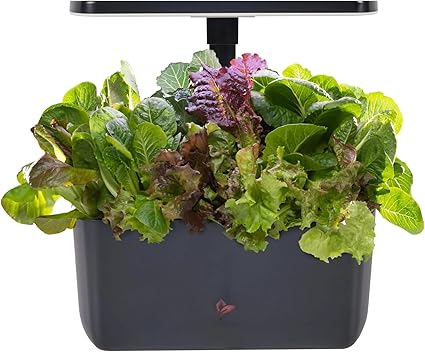
These are great entry points into compact indoor gardening — no complex plumbing, no guesswork, just plug-and-grow.
Also Read: How Hydroponic Garden Kits Are Shaping Modern Luxury Living?
🌱 How to Pick the Right System for You
When you’re browsing hydroponic setups or thinking about building your own, keep these factors in mind (they’ll help you match needs with system type):
- Space available — For small spaces or apartment living, choose countertop kits, DWC, or Wick systems.
- Plant type & yield goals — For leafy greens and herbs, go with NFT or Wick; for heavier fruiting plants, consider Drip or Ebb & Flow.
- Maintenance comfort — Wick and DWC are low-maintenance; Aeroponics and Drip need more regular care.
- Water efficiency & sustainability — NFT and Aeroponics are more water-efficient; drip/ebb-and-flow recirculating systems also reuse water.
- Budget & complexity — Simple systems (DWC, Wick) cost less and are easier; aeroponics or drip/on-media systems usually require more investment and care.
✅ Our Take: What We Recommend for Most Beginners
If we were starting from zero — living in a small apartment, wanting fresh herbs and greens year-round, but no time for complicated setups — we’d go for a starter countertop system like iDOO’s 12-Pod Kit.
It hits the sweet spot: minimal maintenance, clean design, and enough capacity for herbs/brassicas. Once comfortable, we’d experiment with an NFT gutter setup for leafy greens or maybe a small drip system for larger herbs and compact veggies.
For experienced growers wanting maximum yield, aeroponics or controlled drip systems make sense — but only if you’re comfortable with monitoring water flow, nutrient balance, and maintenance.
🔍 Final Thoughts on Hydroponic System Types
Hydroponics is incredible because it’s flexible: it adapts to your space, your time, and your gardening goals. There’s no single “best” system — only the best system for you.
Understanding hydroponic system types gives you the knowledge to match your circumstances with the right method. Whether you want quick herbs on your kitchen counter, leafy greens year-round, or fresh veggies no matter the season — there’s always a system waiting for you; only a few searches away!
Frequently Asked Questions
- What is the easiest hydroponic system for beginners?
If you’re just getting started, Deep Water Culture is hands-down the easiest. It has the fewest moving parts, it’s low-maintenance, and it’s one of the most forgiving hydroponic system types. Roots sit in oxygenated, nutrient-rich water, which keeps the whole setup simple and pretty stress-free. You don’t need timers, complicated pumps, or anything fancy — just a container, an air stone, and a little patience.
- Which hydroponic system is best for small apartments?
If you’re tight on space, countertop hydroponic systems, compact wick systems, or a mini DWC setup work perfectly. These fit on a kitchen counter or shelf without taking over your entire apartment. They’re also quieter, cleaner, and blend into your home decor easily, especially if you prefer a more aesthetic, minimal setup.
- Do different hydroponic systems grow plants faster?
Yes — some systems definitely encourage faster growth. Aeroponics and Nutrient Film Technique (NFT) are known for giving plants an extra boost thanks to better oxygen exposure and more efficient nutrient absorption. If your goal is high-yield indoor gardening or rapid plant growth, these two systems are the top performers.
- Which hydroponic system is best for larger or fruiting plants?
Bigger plants — like tomatoes, peppers, or cucumbers — need more support and more consistent moisture. This is where ebb and flow systems and drip hydroponic setups shine. They use growing media such as clay pebbles or coco to support bigger root structures while delivering steady amounts of nutrient solution.
- Can I use any growing medium with any hydroponic system?
Not always. Some growing media pair better with specific systems. For example:
– Clay pebbles are amazing for ebb & flow.
– Rockwool works well for NFT and DWC.
– Coco coir is a favorite for drip systems.
Each medium has its own texture, drainage, and aeration level, so pairing it with the right system helps your plants thrive. - What’s the most low-maintenance hydroponic system?
If you want something super hands-off, a wick system or a small DWC kit is the way to go. They require very little daily attention and no complicated timers. A wick system doesn’t even need electricity. These are perfect if you’re busy, forgetful, or simply want a minimal-effort indoor garden.
- What if my pump stops working in NFT or aeroponics?
Great question — because this is a real risk. In systems like NFT, drip, or aeroponics, plants rely on consistent water flow or misting. A pump failure can quickly lead to dry roots, nutrient issues, or plant stress. If you choose one of these more advanced systems, make sure your setup includes backup alerts, reliable timers, and proper water flow monitoring to protect your plants.
- Which hydroponic system uses the least water?
Hydroponics is already more water-efficient than soil gardening, but if we’re comparing system types, NFT and aeroponics are the most efficient. They use recirculating water, delivering only what the roots actually need. If you’re focused on sustainable indoor gardening, these systems are amazing options.
- How do I choose the best hydroponic system for my home?
Think about four things:
1. Your space (countertop vs. closet vs. spare room)
2. Your plant type (herbs vs. fruiting vegetables)
3. Your experience level (beginner setups vs. technical systems)
4. Your maintenance comfort (low-effort vs. high-precision)
If you want a quick recommendation:
– Go with DWC for simplicity.
– Pick drip systems or ebb & flow for versatility.
– Choose NFT or aeroponics if you want fast growth. - Do hydroponic systems really grow better than soil?
In most cases, yes. Plants get constant access to nutrients, balanced water levels, and more oxygen at the roots. This creates faster growth, higher yields, and cleaner indoor gardening without pests or soil mess. Plus, hydroponics allows for year-round indoor food production, which is something soil can’t always guarantee.