As an Amazon Associate we earn from qualifying purchases. Here’s how it works.
Growing plants in water feels almost magical—until something goes wrong. Leaves yellow. Growth slows. Roots look fine, but plants just don’t thrive. In most cases, the issue isn’t the system itself—it’s the nutrients.
This Hydroponic Nutrients Guide is designed especially for beginners using smart hydroponic indoor garden systems and smart vertical hydroponic kits. The goal is to make the science behind nutrients feel approachable, practical, and even a little fascinating—without turning this into a chemistry lecture.
Once nutrients make sense, hydroponics becomes predictable, forgiving, and incredibly rewarding.
Why Nutrients Matter More in Hydroponics Than Soil?
In soil gardening, nutrients hide in compost, organic matter, and microorganisms. In hydroponics, there’s nowhere to hide. Plants rely entirely on nutrient-rich water for everything—growth, structure, energy, and resilience.
That’s why understanding hydroponic nutrients, water chemistry, and plant nutrient balance isn’t optional—it’s foundational.
Smart hydroponic systems simplify delivery, but they still depend on the grower to understand what’s going into the reservoir.
Related Post: Hydroponic Indoor Garden System: A Simple Smart Setup You Can Do at Home
What Hydroponic Nutrients Actually Are?
Hydroponic nutrients are water-soluble mineral nutrients designed to dissolve completely and feed plants directly through their roots. Instead of soil acting as a buffer, the nutrient solution becomes the entire ecosystem.
Most nutrient formulas are carefully balanced to support:
- Plant growth stages
- Root development
- Leaf production
- Flowering and fruiting
This is why hydroponics often produces faster growth than soil—plants don’t need to search for nutrients. They’re delivered directly.
Understanding NPK (The Backbone of Hydroponic Nutrition)
NPK stands for Nitrogen (N), Phosphorus (P), and Potassium (K). These are the primary macronutrients that drive visible plant growth.
Nitrogen (N)
Nitrogen fuels leaf growth, chlorophyll production, and overall plant vigor. In hydroponics, nitrogen deficiency often shows up as pale or yellowing leaves.
Phosphorus (P)
Phosphorus supports root development, energy transfer, and early plant establishment. Strong roots are critical in soilless growing systems.
Potassium (K)
Potassium strengthens plants, improves water uptake efficiency, and supports disease resistance. It’s essential for balanced growth in indoor hydroponic gardens.
Smart hydroponic kits typically use balanced nutrient formulas that already optimize NPK ratios for leafy greens and herbs.
Secondary Nutrients You Shouldn’t Ignore
Beyond NPK, plants also need calcium, magnesium, and sulfur.
- Calcium supports strong cell walls and prevents tip burn
- Magnesium aids photosynthesis and chlorophyll production
- Sulfur contributes to enzyme function and plant metabolism
Many beginner hydroponic issues stem from missing these secondary nutrients, especially in recirculating hydroponic systems.
Micronutrients: Small but Essential
Micronutrients are required in tiny amounts—but without them, plants struggle.
These include:
- Iron
- Zinc
- Manganese
- Copper
- Boron
- Molybdenum
Quality hydroponic nutrient solutions (talked about later in this post) already include these in precise ratios, which is why using proper formulas matters more than DIY mixing for beginners.
pH: The Gatekeeper of Nutrient Absorption
pH doesn’t add nutrients—it controls whether plants can access them.
In hydroponics, the ideal pH range typically falls between 5.5 and 6.5. Outside this range, nutrients become chemically unavailable—even if they’re present in the water.
This phenomenon is called nutrient lockout, and it’s one of the most common beginner mistakes.
Smart hydroponic systems help by maintaining consistent water conditions, but understanding pH balance in hydroponics allows growers to catch problems early.
pH & Water Balance Support Products
Useful to reference when discussing pH, EC, and nutrient absorption.
- General Hydroponics pH Control Kit (pH Up & pH Down)
Helps maintain ideal pH levels for nutrient uptake in hydroponic systems. - VIVOSUN Digital pH Meter
Beginner-friendly tool for monitoring nutrient solution chemistry.
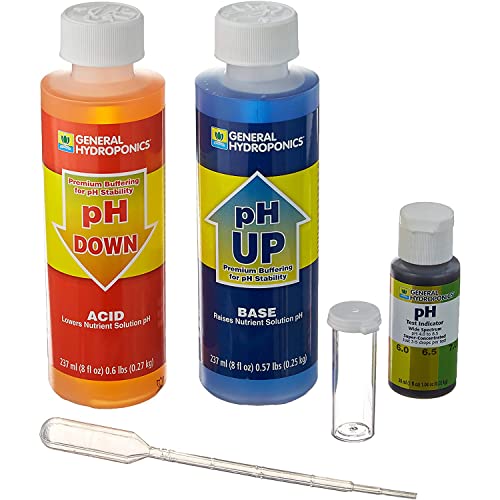
General Hydroponics pH Control Kit

VIVOSUN Digital pH Meter
EC and TDS: Measuring Nutrient Strength
Electrical Conductivity (EC) and Total Dissolved Solids (TDS) measure how concentrated your nutrient solution is.
- Low EC = underfeeding
- High EC = nutrient burn risk
For beginners using countertop or vertical hydroponic kits, pre-measured nutrients and manufacturer guidelines make this manageable without complex testing.
Still, knowing that EC levels directly affect plant health builds confidence and control.

Why Smart Hydroponic Kits Make Nutrients Easier?
Smart hydroponic systems are designed to remove complexity without sacrificing results.
They often include:
- Automated water circulation
- Built-in reminders for nutrient changes
- Stable reservoirs that reduce fluctuation
- Lighting systems tuned to nutrient uptake
This synergy between lighting schedules, nutrient concentration, and water oxygenation is what makes modern indoor hydroponics so beginner-friendly.
Matching Nutrients to Growth Stages
Plants don’t need the same nutrients forever.
- Seedlings prefer gentle, diluted nutrient solutions
- Vegetative growth requires higher nitrogen levels
- Harvest stages benefit from balanced mineral ratios
Most smart hydroponic kits are optimized for leafy greens, which simplifies this process. Still, understanding plant nutrient requirements helps explain why growth speeds change over time.
Common Nutrient Mistakes (and How to Avoid Them)
Overfeeding
More nutrients don’t equal faster growth. Excess nutrients can damage roots and stall development.
Ignoring pH
Perfect nutrients won’t help if pH blocks absorption.
Mixing Brands Incorrectly
Hydroponic nutrients are designed as complete systems. Mixing random products can throw off balance.
Skipping Water Changes
Old nutrient solution accumulates waste salts that affect plant health.
Consistency beats intensity in hydroponic nutrition.
How Often to Change Nutrient Water?
For most hydroponic indoor garden systems, a full nutrient solution change every 2–4 weeks works well. Between changes, topping off with water helps maintain stable levels.
This rhythm supports:
- Clean root environments
- Balanced nutrient availability
- Predictable plant growth
Nutrients and Lighting Work Together
Nutrients alone won’t drive growth. LED grow lights play an equal role.
Light intensity affects:
- Nutrient uptake rate
- Photosynthesis efficiency
- Leaf density and color
This is why hydroponics succeeds indoors—nutrients and light are engineered to work in harmony.
Trusted Nutrient-Friendly Systems
For beginners using smart systems, these Amazon available products align well with proper nutrient delivery and water management:

AeroGarden Harvest Elite Indoor Garden

LetPot Hydroponics Growing System

iDOO Hydroponics Growing System 12-Pod
These systems are built to stabilize nutrient flow, making them ideal platforms for learning hydroponic nutrition without overwhelm.
Beginner-Friendly All-In-One Hydroponic Nutrients
These are ideal for people using countertop or smart hydroponic systems.
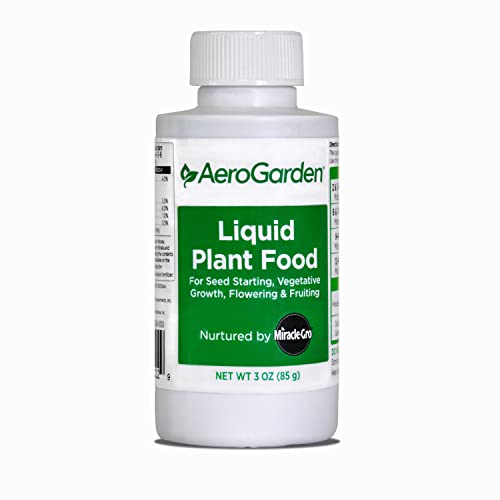
- AeroGarden Liquid Plant Food
Designed specifically for indoor hydroponic gardens; pre-balanced for herbs and leafy greens. - General Hydroponics Flora Series (FloraGro, FloraMicro, FloraBloom)
A classic, science-backed nutrient system that teaches beginners how nutrients interact across growth stages. - Fox Farm Grow Big Hydroponic Liquid Fertilizer
Popular for vegetative growth; easy to integrate into smart hydroponic setups.

AeroGarden Liquid Plant Food

General Hydroponics Flora Series

FoxFarm Grow Big Hydroponic Liquid Fertilizer
Cal-Mag & Supplement Support (Advanced but Still Beginner-Safe)
Many smart hydroponic gardeners rely on pre-balanced liquid nutrients such as:
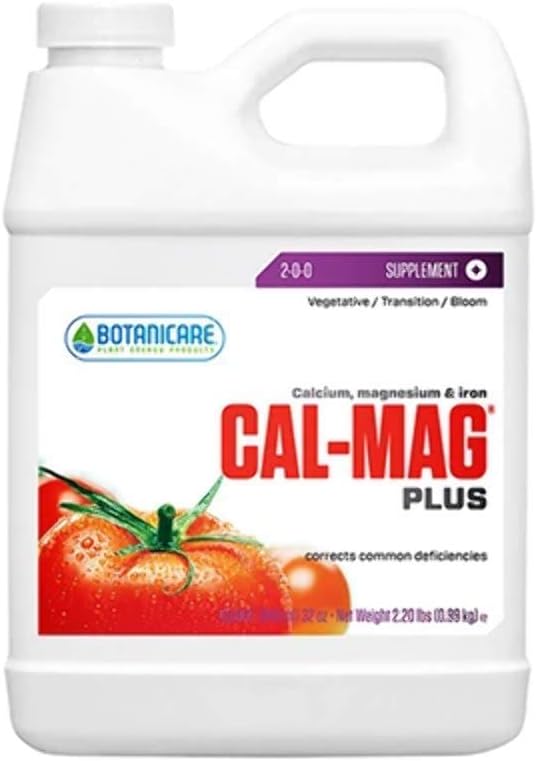
- Botanicare Cal-Mag Plus
Supports strong plant structure and prevents common nutrient deficiencies in hydroponic systems.
🌿 Hydroponic Nutrient Products Mapped to Growth Stages
| Growth Stage | Recommended Nutrient Product(s) | Why It Works |
|---|---|---|
| Seedling / Germination | AeroGarden Liquid Plant Food | Gentle nutrient profile that supports early root establishment without overwhelming young plants. |
| Early Vegetative | iDOO Hydroponics Plant Nutrient Solution | Balanced formula designed for small, compact hydroponic kits and leafy greens that are just starting to develop leaves. |
| Vegetative Growth (Leafy Stage) | General Hydroponics Flora Series (FloraGro + FloraMicro) | FloraGro supports vigorous leaf and stem growth; FloraMicro provides essential micronutrients needed during rapid vegetative expansion. |
| Full Vegetative / Leafy + Herbs | Fox Farm Grow Big Hydroponic Liquid Fertilizer | Promotes robust leaf production and strong plant structure for greens and herbs in hydroponic systems. |
| All-Round Growth (Balanced Needs) | LetPot Hydroponic Plant Food | Designed for smart hydroponic garden kits with automated watering; balanced for general growth without stage switching. |
| Calcium/Magnesium Support | Botanicare Cal-Mag Plus | Best used as a supplement during vegetative growth to prevent deficiencies and support structural development. |
Hydroponic Nutrient Comparison Table
|
|
|
| 
|
|
$11.99
| $24.99
| $30.89
| $19.99
| $18.99
| $18.97
|
Best Growth Stage:
Seedling / Early Growth | Best Growth Stage:
Early Vegetative | Best Growth Stage:
Full Vegetative Growth | Best Growth Stage:
Leafy/Herb Production | Best Growth Stage:
All-Around Growth | Best Growth Stage:
Growth Support/Supplement |
Primary Benefits:
Mild nutrient mix; easy for young roots | Primary Benefits:
Starter-friendly balanced nutrients | Primary Benefits:
Customizable macro + micronutrient balance | Primary Benefits:
High nitrogen focus for lush green growth | Primary Benefits:
Balanced formula tailored for smart indoor systems | Primary Benefits:
Boosts calcium + magnesium |
Ideal For:
Herbs, greens | Ideal For:
Countertop hydroponic kits | Ideal For:
Advanced leafy greens or larger plants | Ideal For:
Leafy greens, robust herbs | Ideal For:
Smart hydroponic gardens | Ideal For:
Any stage with deficiency risk |
User Level:
Beginner | User Level:
Beginner | User Level:
Intermediate | User Level:
Intermediate | User Level:
Beginner–Intermediate | User Level:
All Levels |
← Scroll →
Why Understanding Nutrients Builds Confidence?
Hydroponics stops feeling mysterious once nutrients make sense. Leaves tell a story. Growth patterns become predictable. Problems feel fixable instead of frustrating.
This is the real power of a Hydroponic Nutrients Guide—not just better plants, but better understanding.
When nutrients, pH, EC, and lighting work together, hydroponics becomes what it’s meant to be: a clean, controlled, deeply satisfying way to grow plants indoors—successfully.
Frequently Asked Questions
- Why do hydroponic plants need different nutrients at different growth stages?
Hydroponic plants change their nutritional needs as they grow. Seedlings focus on root establishment, vegetative plants prioritize leaf development, and mature plants require balanced mineral support. In a hydroponic indoor garden system, nutrients replace soil entirely, so matching nutrient strength to growth stage helps prevent stress, slow growth, and nutrient burn.
- Can I use the same hydroponic nutrient for every growth stage?
Yes—many smart hydroponic kits are designed to work with all-in-one nutrient solutions that remain consistent throughout the plant’s life cycle. Products formulated for countertop hydroponic gardens are often balanced for leafy greens and herbs, making them forgiving and beginner-friendly. However, understanding growth stages explains why growth speeds shift over time.
- What nutrients are best for seedlings in hydroponics?
Seedlings prefer gentle, diluted nutrient solutions. Early-stage hydroponic nutrients focus on supporting root development without overwhelming young plants. Overfeeding during this stage can stunt growth, which is why beginner-friendly nutrient formulas are ideal for smart indoor gardening systems.
- When should stronger nutrients be introduced?
Once plants enter the vegetative stage—when leaves grow rapidly and stems strengthen—nutrient demand increases. This is when nitrogen-rich hydroponic nutrients support healthy foliage and faster growth. Most smart hydroponic indoor garden systems naturally align lighting and water circulation with this stage.
- What happens if nutrients are too strong during early growth?
Excess nutrients can cause root damage, yellowing leaves, or stalled growth—a common issue known as nutrient burn. Because hydroponics delivers nutrients directly to the roots, precision matters more than intensity. This is why consistency and moderation are key in water-based growing systems.
- Do leafy greens and herbs follow the same nutrient schedule?
Yes, leafy greens and herbs have very similar nutrient requirements in hydroponic systems. This makes them ideal crops for beginners using countertop hydroponic gardens or vertical indoor hydroponic kits. Balanced nutrient solutions typically support basil, lettuce, mint, spinach, and parsley equally well.
- Is calcium and magnesium supplementation necessary in hydroponics?
Sometimes. Calcium and magnesium deficiencies are common in recirculating hydroponic systems, especially under strong LED grow lights. Supplemental support helps prevent leaf curling, spotting, and weak stems. Many growers add Cal-Mag only when plants show signs of deficiency, rather than using it constantly.
- How do smart hydroponic systems simplify nutrient management?
Smart hydroponic systems stabilize water levels, oxygenation, and lighting—all of which affect nutrient uptake. By reducing environmental fluctuations, these systems make nutrient schedules more forgiving and predictable, especially for beginners learning hydroponic nutrition basics.
- Can nutrient products be mixed together?
Hydroponic nutrients are designed as complete systems. Mixing unrelated nutrient brands or formulas can throw off nutrient ratios, EC levels, and pH balance. For beginners, sticking to one nutrient system at a time helps maintain stability and avoid nutrient lockout.
- How do I know if my plants are underfed or overfed?
Underfed plants may show pale leaves, slow growth, or weak stems. Overfed plants may display burnt leaf edges, drooping, or stunted roots. Observing leaf color and growth patterns is one of the most reliable ways to monitor nutrient balance in hydroponic indoor garden systems.
- Does EC matter if I’m using pre-measured nutrients?
Even with pre-measured nutrients, EC still reflects how concentrated the solution becomes over time. While beginners don’t need to obsess over numbers, understanding EC helps explain why topping off with water—and occasionally refreshing the reservoir—keeps plants healthy.
- How often should nutrient solutions be replaced?
Most indoor hydroponic systems benefit from a full nutrient solution change every two to four weeks. This prevents salt buildup, refreshes mineral balance, and supports consistent nutrient absorption. Between changes, topping off with clean water maintains stability.
- Are all-in-one nutrients enough for long-term hydroponic growing?
For herbs and leafy greens, yes. All-in-one hydroponic nutrients are specifically formulated to support full growth cycles in indoor environments. They’re especially effective in smart hydroponic kits where systems are optimized for simplicity and reliability.
- Do nutrient needs change based on lighting?
Yes. Brighter LED grow lights increase photosynthesis, which increases nutrient uptake. This is why lighting schedules and nutrient strength work together in hydroponics. Smart hydroponic systems are designed to balance both automatically, reducing the risk of imbalance.
- What’s the biggest nutrient mistake beginners make?
Overfeeding. More nutrients don’t mean faster growth. In hydroponics, consistency and balance always outperform aggressive feeding. A simple nutrient schedule matched to growth stages creates healthier plants with fewer problems.
- Why does understanding nutrients make hydroponics easier?
Because nutrients explain why plants behave the way they do. Once growers understand how nutrients, pH, EC, and lighting interact, hydroponics becomes predictable rather than intimidating—turning indoor gardening into a calm, rewarding routine.