As an Amazon Associate we earn from qualifying purchases. Here’s how it works.
There’s something incredibly satisfying about growing fresh herbs and greens right on a kitchen counter. No soil mess, no guessing when to water, no complicated gardening rules to memorize. A hydroponic indoor garden system takes everything intimidating about gardening and turns it into something calm, clean, and surprisingly aesthetic.
Smart hydroponic kits—like the sleek countertop systems you’ve probably seen glowing softly under LED lights—are changing the way indoor gardening looks and feels. They’re designed for real homes, busy schedules, and people who want fresh plants without turning their living space into a mini greenhouse.
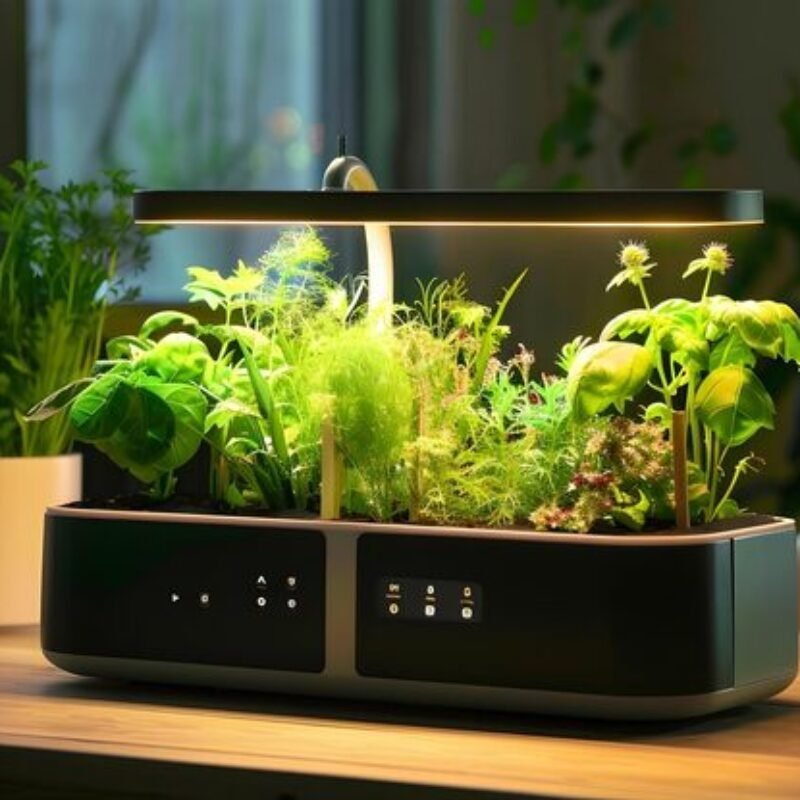
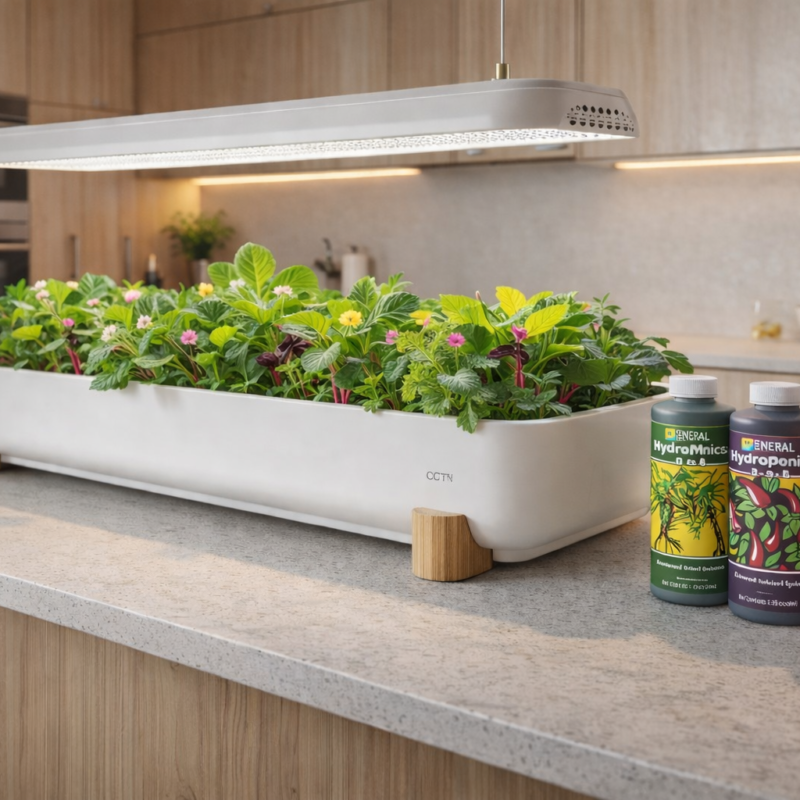
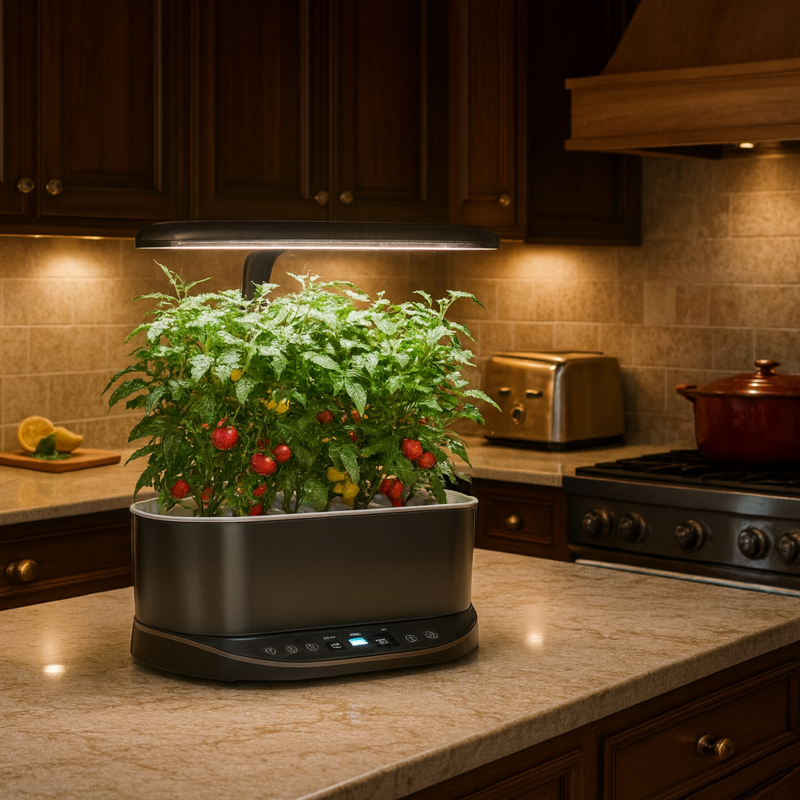
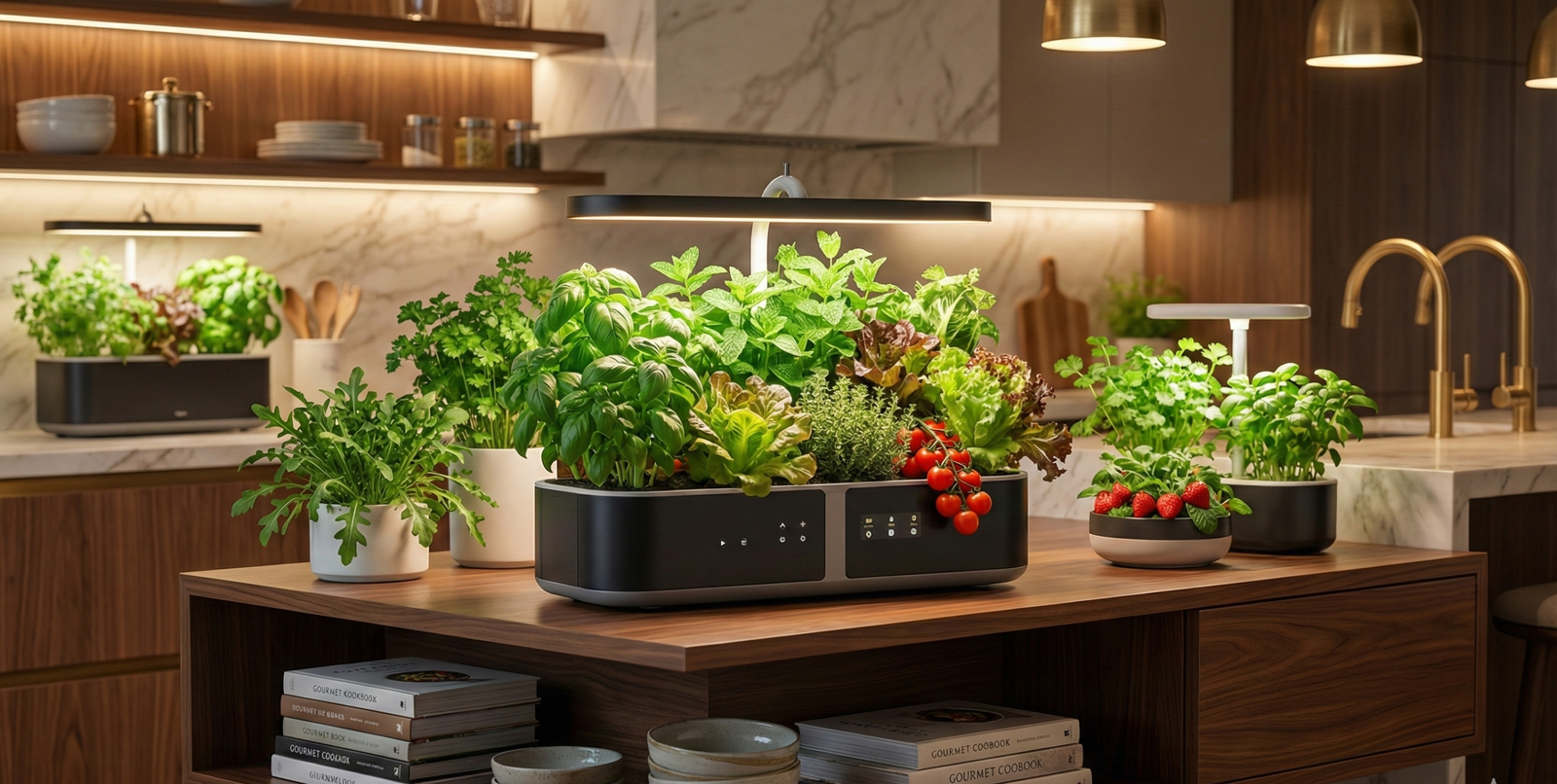
This step-by-step guide walks through exactly how to set up a smart hydroponic indoor garden system at home, using modern all-in-one kits similar to the one from LetPot or the kinds shown in the image above.
Why Smart Hydroponic Systems Are Perfect for Home Use
Traditional gardening asks a lot: outdoor space, sunlight, soil quality, and constant attention. A smart hydroponic indoor garden system flips that entire experience.
Instead of soil, plants grow in nutrient-rich water, supported by growing pods and powered by full-spectrum LED grow lights. Instead of guesswork, these systems rely on automated watering cycles, built-in pumps, and timed lighting schedules that do most of the work for you.
What makes modern kits especially appealing is how beginner-friendly they are. Everything—from the reservoir to the light arm—is designed to work together seamlessly. The result feels less like gardening and more like setting up a beautiful, functional home appliance.
What You Need Before You Start
One of the biggest advantages of a smart hydroponic setup is how little you actually need. Most kits arrive almost ready to use, but it helps to understand what each component does.
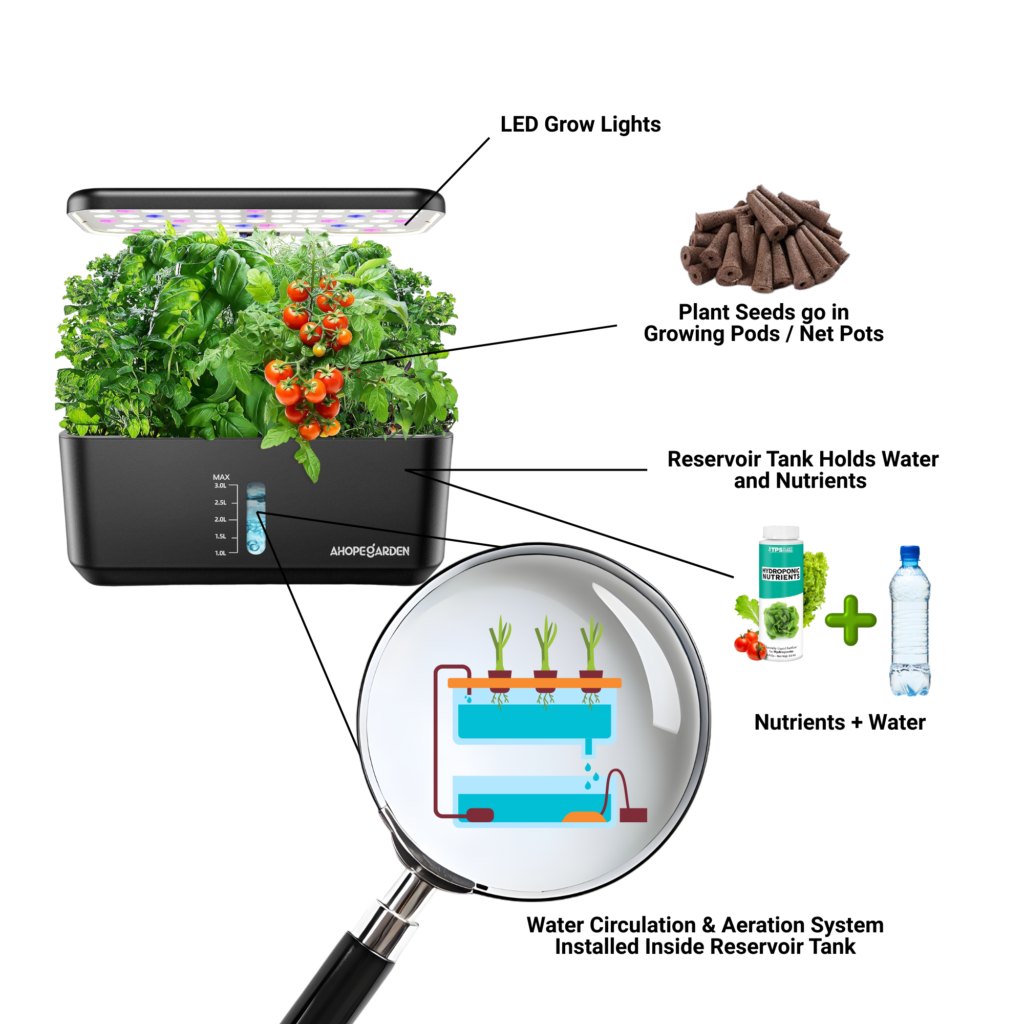
A typical hydroponic indoor garden system includes:
- A water reservoir that holds the nutrient solution
- Net pots or grow baskets that support the plants
- Grow sponges or seed pods for germination
- A circulation pump to keep water oxygenated
- Full-spectrum LED grow lights designed for indoor plant growth
- A control panel or app connectivity for light and water reminders
Everything is compact, contained, and designed to sit comfortably on a countertop, island, or shelf.
Also Read: Hydroponic System Types: A Guide for Indoor Gardening Setup
Step 1: Choosing the Right Location
Even though these systems don’t need sunlight, placement still matters.
Choose a spot that:
- Has access to a standard power outlet
- Stays within a stable room temperature
- Allows the grow light arm to fully extend upward as plants grow
- Feels visually integrated into the space (kitchens work beautifully)
Because a smart hydroponic garden often becomes part of the décor, many people place it where it can be seen and enjoyed daily—on a kitchen island, sideboard, or open shelving.
Step 2: Preparing the Water Reservoir
This is where the “soilless” magic really starts.
Fill the reservoir with clean water—filtered if possible. Then add the included liquid hydroponic nutrients, carefully following the recommended measurements. This creates the nutrient solution that replaces traditional soil and delivers everything plants need directly to their roots.
The beauty of a hydroponic indoor garden system is precision. Nutrients dissolve evenly, water stays oxygenated, and plants receive consistent feeding without overwatering or underwatering.
Once filled, the reservoir slides neatly back into place, hidden inside the base of the unit.
Step 3: Setting Up the Grow Pods
Each plant grows inside its own pod, which keeps roots supported while allowing water to circulate freely.

Insert the grow sponges into the pods, then place seeds directly into the small opening at the top. Most smart systems are designed for herbs, leafy greens, and compact vegetables, which thrive in indoor hydroponic environments.
This step feels almost effortless—no dirt under fingernails, no planting trays, no mess to clean up afterward.
Step 4: Installing and Adjusting the LED Grow Light
The LED light is one of the most important parts of any hydroponic indoor garden system. These lights are specifically engineered to mimic the spectrum plants receive from the sun, supporting everything from germination to full leaf growth.
Position the light arm at its lowest recommended height when starting seeds. As plants grow taller, the light can be raised gradually to maintain optimal coverage.
Most smart kits automatically manage lighting schedules, ensuring plants receive consistent exposure without manual adjustments.
Step 5: Powering On and Activating Smart Features
Once everything is in place, plug in the system and power it on.
Many modern kits include:
- Automatic pump cycles for water circulation
- Built-in timers for lighting
- Reminder indicators for water refills or nutrient changes
- Optional app-based controls for monitoring growth
This is where indoor gardening starts to feel almost hands-off. The system does the thinking, while you simply enjoy watching plants grow.
What to Grow in a Smart Hydroponic System
Not all plants are created equal when it comes to indoor hydroponics. Smart countertop systems shine when used for fast-growing, compact plants.
Popular options include:
- Basil, mint, parsley, cilantro
- Lettuce, arugula, spinach
- Cherry tomatoes (in select pods)
- Dwarf peppers
- Microgreens
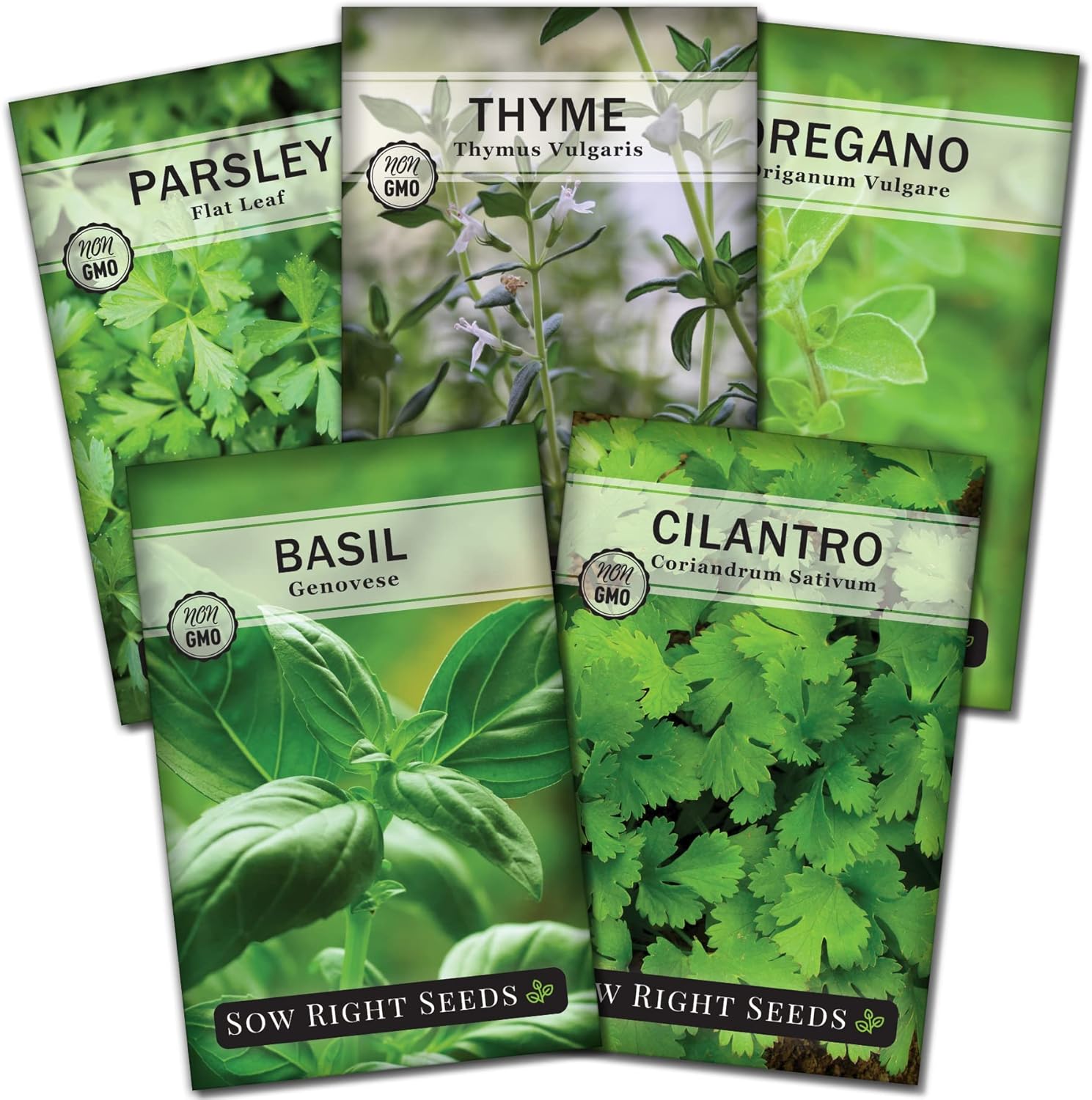
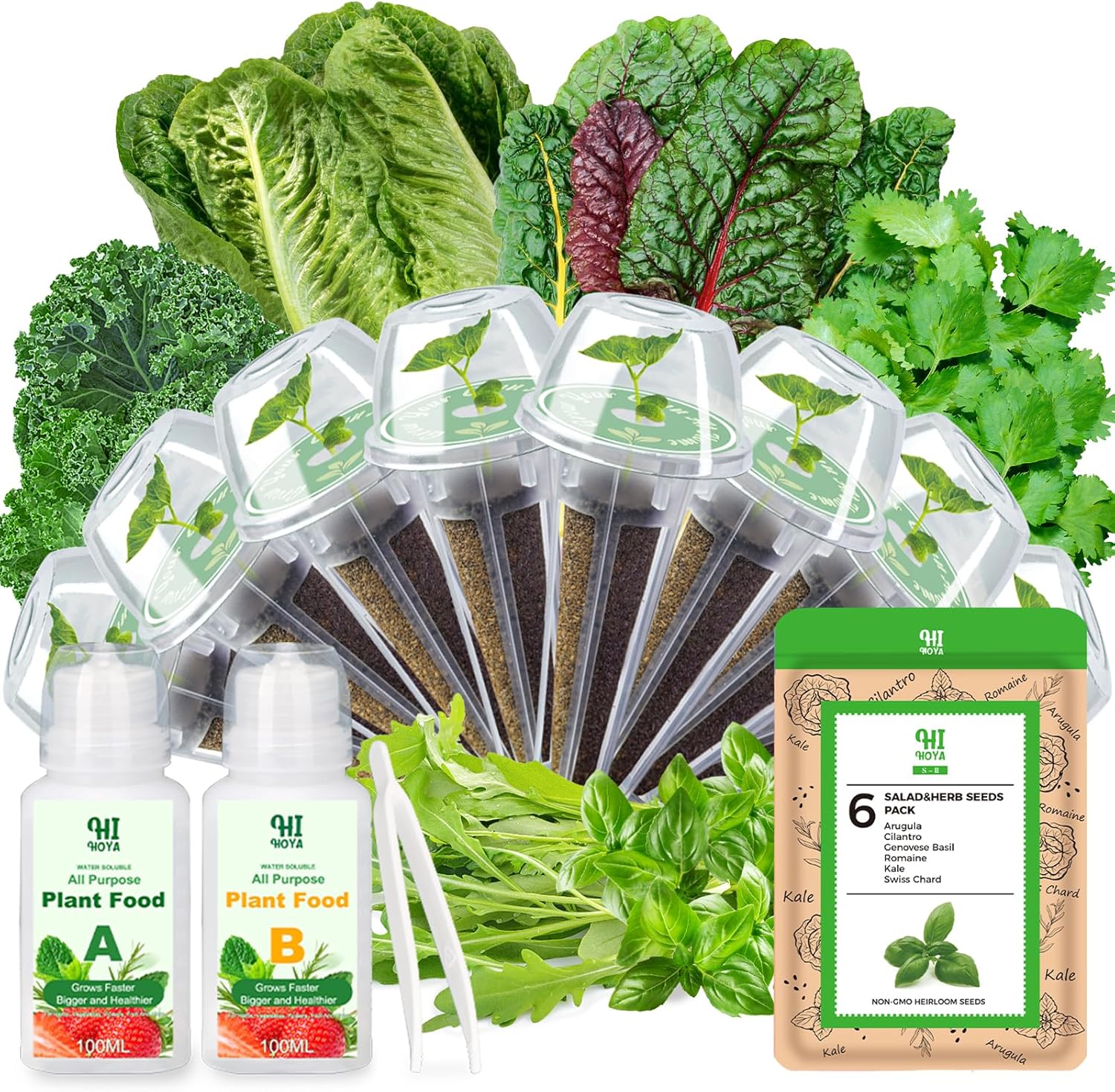

These plants thrive in controlled indoor environments, respond well to nutrient-rich water, and fit comfortably under LED lighting.
Daily Care
One of the biggest reasons people fall in love with a hydroponic indoor garden system is how little daily maintenance it requires.
Most days, care involves:
- A quick glance to ensure lights and pump are running
- Checking water levels once a week
- Topping off nutrients as recommended
There’s no soil to dry out, no weeds to pull, and no outdoor pests to battle. It’s gardening without the chaos.
Why Smart Hydroponics Are Ideal for Beginners
From an experience standpoint, smart hydroponic kits reduce nearly every barrier that keeps people from gardening.
They:
- Eliminate soil-related guesswork
- Automate watering and lighting
- Support year-round indoor growing
- Use low-water growing methods
- Fit into small homes and apartments
This makes them especially appealing for first-time growers who want reliable results without needing expert knowledge.
Thoughtfully Selected Product References
To keep things practical and realistic, here are a few smart hydroponic systems that align perfectly with this type of setup:

LetPot Hydroponics Growing System

AeroGarden Harvest Elite Indoor Garden

iDOO Hydroponics Growing System 12-Pod
Each of these follows the same core principles discussed above: compact design, automated care, and beginner-friendly operation—without overwhelming users with unnecessary complexity.
Built for Real Luxe Homes, Not Just Hobbyists
What sets modern hydroponic indoor garden systems apart is how seamlessly they blend into everyday life. They’re not loud, bulky, or industrial-looking. Instead, they feel intentional—almost like a design choice that just happens to grow food.
For anyone curious about indoor gardening but hesitant to start, a smart hydroponic setup is often the most approachable, least intimidating way in. It’s clean, controlled, and surprisingly rewarding.
And once that first harvest of fresh herbs happens, it’s hard not to wonder why it took so long to start.
Frequently Asked Questions
- What is a hydroponic indoor garden system?
A hydroponic indoor garden system is a self-contained growing setup that allows plants to grow without soil, using nutrient-rich water, oxygenated roots, and full-spectrum LED grow lights. These systems are designed for indoor use and often include automated watering cycles, built-in pumps, and adjustable lighting, making indoor plant cultivation simple and reliable.
- How does a smart hydroponic indoor garden system work?
A smart system circulates nutrient-infused water through a reservoir and delivers it directly to plant roots using a pump or wick-style flow. The roots receive both nutrients and oxygen while LED grow lights replicate natural sunlight. Many smart hydroponic indoor garden systems also manage light schedules and water reminders automatically, reducing daily maintenance.
- Do hydroponic indoor garden systems need sunlight?
No. Hydroponic indoor garden systems are designed to grow plants without sunlight by using full-spectrum LED lighting. These lights provide the specific wavelengths plants need for photosynthesis, allowing consistent growth in kitchens, apartments, or low-light rooms.
- What plants grow best in a hydroponic indoor garden system?
Leafy greens and herbs perform especially well in a hydroponic indoor garden system. Basil, lettuce, spinach, mint, parsley, cilantro, and microgreens thrive in soilless growing environments. Compact fruiting plants like cherry tomatoes or dwarf peppers can also grow successfully in larger or high-output systems.
- How often do you need to change the water?
Most hydroponic indoor garden systems require a full water change every two to four weeks, depending on plant size and system capacity. Between changes, topping off the reservoir with fresh water helps maintain proper nutrient balance and supports healthy root development.
- Are hydroponic indoor garden systems beginner-friendly?
Yes. A hydroponic indoor garden system is one of the easiest ways to start indoor gardening. Automated lighting, controlled watering, and pre-measured nutrients eliminate common beginner mistakes like overwatering, underwatering, or poor soil quality.
- Do hydroponic systems use less water than traditional gardening?
Hydroponic systems are known for low-water growing methods. A hydroponic indoor garden system recirculates water instead of losing it to soil evaporation, making it far more water-efficient than traditional gardening.
- How much maintenance is required?
Maintenance is minimal. Most users only need to check water levels weekly, add nutrients as directed, and occasionally wipe down the system. Smart hydroponic indoor garden systems often provide alerts when water or nutrients are low.
- Can hydroponic indoor garden systems be used year-round?
Yes. Because they rely on controlled lighting and water conditions, hydroponic indoor garden systems support year-round food production. Seasonal changes and outdoor weather have no impact on plant growth indoors.
- Are hydroponic indoor garden systems safe for kitchens?
Absolutely. These systems are designed for clean, mess-free operation. Without soil, there’s less risk of spills or pests, making a hydroponic indoor garden system ideal for kitchen counters and food-prep areas.
- What nutrients are used in a hydroponic indoor garden system?
Plants are fed through liquid hydroponic nutrients that dissolve into the water reservoir. These nutrients provide essential minerals like nitrogen, potassium, and calcium, ensuring strong growth without soil.
- Do hydroponic indoor garden systems attract pests?
Indoor hydroponic systems are far less likely to attract pests because there is no soil. A well-maintained hydroponic indoor garden system typically stays pest-free, especially when placed in clean indoor environments.
- How long does it take to harvest plants?
Many herbs and greens can be harvested within three to five weeks. The controlled environment of a hydroponic indoor garden system promotes faster growth compared to traditional soil-based gardening.
- Are smart hydroponic garden systems worth it?
For indoor growers, especially beginners or apartment dwellers, a hydroponic indoor garden system offers convenience, consistency, and reliable results. The combination of automation, space efficiency, and clean design makes it a practical long-term investment.